
Uncategorized

Office Leasing in Jaipur: How the Market Is Changing
Uncategorized

Office Leasing in Jaipur: How the Market Is Changing

Office leasing in Jaipur has changed more in the last five years than it did in the decade before that. It used to be a slow, landlord-driven market with long lock-ins. Now it’s fast-moving and tenant-friendly, and flexible or managed offices lead the demand. Internal enquiry data at Hobnob Coworks shows interest in office space in Jaipur growing nearly 5x since 2021, roughly in step with IT expansion, GCC entries, and a wave of new startups across the city. Why This Shift Actually Matters Five years back, setting up an office in Jaipur was slow going. Weeks spent touring bare-shell spaces, a heavy deposit, and a 3 to 5-year agreement whether your team ended up growing or shrinking. That’s not really how it works anymore. Leasing office space in Jaipur today is built around flexibility — shorter terms, ready-to-use interiors, pricing that moves with your headcount. If you’re evaluating office space right now, it helps to know how the market got here so you don’t repeat the mistakes older leases used to force on people. Our guide on office setup in Jaipur covers the broader picture. The Numbers Behind Jaipur’s Office Leasing Growth A few numbers explain why this shift happened so fast. Operating costs in Jaipur run roughly 30–40% lower than metros like Mumbai or Bengaluru, pulling in startups and larger firms alike. Premium commercial space in prime locations sits around ₹50–65 per sq ft per month, well below comparable Grade A space in Delhi-NCR. Across India, flex and managed office space is one of the fastest-growing occupier segments, and enterprise clients now make up most of that demand, not just startups. National flex players like IWG, 91springboard, and Awfis have entered Jaipur in the last few years — a real signal, not experimental interest. The city’s talent pipeline, with institutes like MNIT, Amity University, and JECRC feeding tech roles, is a big reason companies feel comfortable setting up here long-term. What’s Actually Driving This Growth It’s not one trend, a few things are happening at once. GCCs and IT firms are moving beyond the metros, as rising rents and saturation in Tier-1 cities push Global Capability Centres toward cost-efficient hubs like Jaipur. Rajasthan’s IT/ITeS policy helps too, with tax holidays, subsidised SEZ land, and faster approvals. Hybrid work has also become permanent for a lot of companies — nobody needs a fixed 5,000 sq ft office when half the team is remote a few days a week. Startups would rather spend on hiring than a fat deposit and interiors. And connectivity matters: the airport, the NH48 corridor to Delhi-NCR, and the upcoming Delhi-Mumbai Industrial Corridor have made logistics genuinely easier for businesses here. Five Years of Office Leasing in Jaipur, Year by Year 2020–2021: A traditional market. Bare-shell offices, long lock-ins, landlords who rarely budged on terms. 2022–2023: Coworking picked up real momentum as hybrid work took hold. Startups and remote-first teams moved toward shared, plug-and-play setups. 2024–2025: The bigger players showed up. Larger corporates and GCCs started treating managed office space as a genuine, lower-risk alternative to owning or signing long leases. 2026: Demand has multiplied several times over, national flex operators have set up shop locally, and flexible leasing is now the expectation rather than something you have to go looking for. Traditional Lease vs Flexible Office Space Today Factor Five Years Ago Now (2026) Lock-in period 3–5 years Monthly to 1 year Setup time 2–6 months A few days to 2 weeks Upfront cost High — deposit + interiors Low, mostly plug-and-play Typical choice Bare-shell office lease Managed or coworking space Ability to scale Hard to expand or shrink Add or reduce seats easily In-demand areas Handful of commercial pockets C-Scheme, Malviya Nagar, Vaishali Nagar, Tonk Road, Mansarovar, Jagatpura Want the day-to-day details, pricing and layouts included? Our guide on shared office space in Jaipur goes deeper into that. Step-by-Step: Leasing an Office in Jaipur the Right Way Get clear on numbers first — seat count, budget, must-have location. Shortlist both models: a traditional landlord lease alongside a managed or coworking provider. Walk the space yourself. Photos hide bad lighting, street noise, and cramped layouts easily. Check what people forget: power backup, internet speed, meeting room availability, parking. Read every line of the agreement — lock-in, notice period, and exit terms matter more than people think. Our office lease agreement guide covers what to look for. Negotiate before signing, not after. Rent and included services are almost always up for discussion. Move in. A managed setup can have you working within days; a traditional lease means weeks of interior work first. Best Micro-Markets for Office Leasing in Jaipur C-Scheme stays central, still favoured by corporate and client-facing businesses. Malviya Nagar has become a genuine IT and startup cluster. Vaishali Nagar is popular with retail, healthcare, and professional firms. Tonk Road has been Jaipur’s commercial spine for years. And Mansarovar with Jagatpura are newer pockets pulling in mid-sized businesses on tighter budgets. Where you land affects more than rent — it shapes hiring, commute times, and whether clients can reach you easily. How Hobnob Coworks Fits Into This Change We’ve watched this shift play out across our own locations, and the pattern is consistent: businesses want office leasing in Jaipur without the friction that used to define it. No oversized deposits, no rigid multi-year contracts, no pricing surprises three months in. At Hobnob Coworks, our spaces work from day one — dependable internet, private cabins, meeting rooms, and layouts that grow with your team. Check what’s available across our Jaipur locations, or look at our virtual office option if you just need a registered address for now. Key Takeaways Enquiries around office leasing in Jaipur have grown sharply over five years, led by flexible and managed spaces. Jaipur’s 30–40% cost edge over metros is a big reason GCCs and IT firms keep moving in. National flex operators setting up here confirms this isn’t a short-lived trend. C-Scheme, Malviya Nagar, Vaishali Nagar, Tonk Road, Mansarovar, and
Coworking Spaces in Tier 2 Cities: India's Next Work Hubs
Uncategorized

Coworking Spaces in Tier 2 Cities: India’s Next Work Hubs

Coworking spaces in tier 2 cities are shared, professionally managed offices coming up rapidly in cities like Jaipur, Indore, and Lucknow, offering flexible desks and private cabins at a much lower cost than metro cities. Businesses are shifting here because they get the same quality infrastructure, better talent retention, and no long-term lease pressure. This is why coworking growth in tier 2 cities is now one of the fastest-moving trends in India’s office real estate market. The Problem: Why Metro Offices Are Losing Their Charm A few years back, if you wanted a “real” office, you had to be in Mumbai, Bangalore, or Delhi. That’s just how it worked. But things have changed. Rent in metro cities keeps climbing, commutes eat up hours of the day, and many talented people don’t want to live in a crowded metro anymore. Founders and companies are asking a simple question: why pay metro-level rent when your team can work just as well from a smaller city? That’s exactly where coworking spaces in tier 2 cities step in as the solution. The Solution: Coworking Growth in Tier 2 Cities The rise of coworking spaces in tier 2 cities isn’t random. It’s backed by real shifts in how India works: Internet infrastructure in tier 2 cities has improved massively over the last five years. Talented professionals are moving back to their hometowns for a better lifestyle. Companies are cutting costs by opening satellite offices outside metros. Startups are choosing tier 2 cities to save on operational expenses. At Hobnob Coworks, we’ve seen this shift up close in Jaipur. What used to be a handful of freelancers looking for a quiet desk has turned into growing teams and companies renting full private cabins for their regional operations. Why Coworking in Tier 2 Cities Is the Future of Work The future of coworking in tier 2 cities looks strong, and it’s not just hype: Lower cost, same quality – A private cabin in a metro city can cost two to three times more than the same setup in a tier 2 city, with the same high-speed internet and professional environment. Better talent, lower attrition – Skilled professionals prefer staying closer to family in smaller cities, so businesses see better retention. Government and infrastructure push – Improved highways, connectivity, and airport expansions in cities like Jaipur make it easier to operate outside the metro belt. Flexibility over fixed leases – Flexible workspaces in tier 2 cities let founders scale up or down as their team grows, without a long lease commitment. Tier 2 Cities in India for Coworking: Where the Action Is Some tier 2 cities in India for coworking are ahead of others because of their existing business ecosystem and connectivity: Jaipur – Strong IT, tourism, and startup base with excellent connectivity to Delhi NCR Indore – Growing business parks and a strong civic infrastructure ranking Lucknow – Government and private sector growth with improving infrastructure Chandigarh – Well-planned city attracting IT and consulting firms Coimbatore – Manufacturing and tech talent hub in South India Jaipur stands out because it’s not just a tourist city anymore. It’s becoming a real business destination, with companies opening regional offices here. Tier 2 vs Tier 3 vs Metro City Coworking Coworking spaces in tier 2 and tier 3 cities aren’t the same thing, and both differ from metro city coworking: Factor Metro Cities Tier 2 Cities Tier 3 Cities Average cost Highest, 2-3x more Significantly lower Lowest, still developing Infrastructure Mature, saturated Well-developed, growing fast Still developing Talent pool Wide but expensive Skilled, locally available Limited but growing Best suited for Large enterprises, HQs Startups, satellite offices Early-stage, niche setups This is exactly why more businesses are shifting part of their operations to coworking spaces in tier 2 cities instead of relying only on metro offices. Key Benefits of Coworking Spaces in Tier 2 Cities Lower operational costs – Rent, utilities, and staffing costs are noticeably lower than metro cities. Access to skilled local talent – Professionals prefer working near home instead of relocating. Faster hiring, lower attrition – Better quality of life means employees stay longer. Flexible, scalable plans – No long-term lease pressure; scale seats up or down as needed. Improving infrastructure – Better roads, airports, and internet connectivity support smooth operations. Government support – Several states now offer incentives for businesses expanding beyond metro hubs. How Businesses Choose a Coworking Space in a Tier 2 City If you’re planning to set up in a tier 2 city, here’s a practical process most businesses follow: Identify your team size and space needs – Shared desk, private cabin, or a full floor. Check connectivity – Look for a space near the airport, railway station, or main business district. Visit the space in person – Photos can be misleading; a site visit tells you the real story. Check amenities – High-speed internet, power backup, meeting rooms, and parking matter most. Ask about flexibility – Make sure you can scale seats up or down without penalty. Review the community – A good coworking space is a network of businesses, not just a desk. This is the exact process we guide clients through at Hobnob Coworks in Jaipur. Explore our Vaishali Nagar and Mansarovar locations to see it in practice. Real Numbers Behind the Trend India’s office market hit a record high in Q2 2026, with gross leasing touching around 24.6 million square feet, up 18% from the previous quarter and 14% year-on-year, according to CBRE. Flexible workspace operators were the leading occupier segment that quarter, accounting for 27% of total leasing. There’s policy support too. Maharashtra’s GCC Policy 2025 offers incentives to companies setting up outside the main metro belt, with Karnataka and Andhra Pradesh introducing similar schemes. Jaipur specifically is being recognised as a hub for back-office and customer support operations, thanks to its improving connectivity and growing talent base. This is a structural shift in how Indian businesses think about office space, not a temporary trend. Key Takeaways

GCC setup in India
Uncategorized

GCC Setup Guide: Office Space, Compliance & Location Checklist

Planning a GCC setup in India? Here’s the short version: pick your city based on talent, not just rent. Get your entity and compliance structure sorted before signing anything. And choose office space that lets you scale without a five-year commitment. Do this right, and you can have a working team in 60-90 days. I say this because I’ve watched companies rush the office decision and bring in a compliance advisor only after the lease is signed. By then, half the flexibility is gone. A US-based fintech client once locked a 5-year lease in Gurugram before their entity structure was finalized. Six months in, their advisor found the entity type didn’t support the hiring model they wanted. They ended up restructuring mid-way – expensive and avoidable if the order of operations had been different. Why Global Companies Are Choosing GCC Setup in India A decade back, GCCs were basically cost centers – send the back-office work to India, save on payroll, done. That’s changed. Today, a GCC setup in India often means product engineering, data science, and even R&D functions sitting closer to global leadership than most people realize. Businesses generally fall into one of these buckets: Cost-driven – lowering operational spend without compromising output quality Talent-driven – accessing India’s deep and fast-growing engineering and finance talent pool Strategy-driven – running core innovation work out of the Indian GCC, not just support functions Whatever the reason, the setup mechanics stay similar. Let’s break down location, compliance, office space, and the details people usually forget. Step 1: Choosing the Right Location This decision shapes everything after it – hiring speed, attrition, and how easily you scale two years down the line. Bangalore and Hyderabad still dominate. But salary inflation there is brutal, and so is attrition – engineers get poached every few months because five other GCCs are hiring in the same three-kilometer radius. Pune and Chennai sit in a reasonable middle zone. And then there’s the quieter option gaining momentum: Tier-2 cities like Jaipur. Here’s what most decision-makers don’t realize – a GCC setup in India in a city like Jaipur can retain people longer than a metro location. Less competition for talent means less job-hopping, rent is a fraction of Bangalore’s, and Rajasthan’s state IT policy actively incentivizes companies setting up capability centers outside traditional hubs. Before finalizing a location, check: Is there a real talent pool for your specific function, not just “IT talent” broadly? How’s the connectivity – airport, business districts, daily commute? What’s the real cost gap once you factor in rent and salaries together? Is there an existing GCC ecosystem already forming there? Step 2: Legal and Compliance Checklist Nobody enjoys this part, but rush it and it comes back to bite you – usually at the worst time. A proper GCC setup in India runs through five compliance layers: Entity structure – Most global companies choose a wholly-owned subsidiary for full control and cleaner tax treatment. Branch and liaison offices exist too but come with restrictions. RBI and FEMA compliance – Non-negotiable when a foreign parent funds the Indian entity. This governs how money moves in and out. Labour law registration – PF, ESI, and Shops & Establishment Act registration, and these vary by state. Tax setup – GST registration, corporate tax structuring, and transfer pricing documentation if the GCC provides services back to the parent company. Data protection – India’s DPDP Act now governs personal data handling. If your GCC touches global customer data, this needs proper documentation, not an afterthought. A common mistake: treating the office as “just a workspace” and skipping Shops & Establishment registration because it feels like a formality. A routine labour inspection later flags it, and now you’re dealing with penalties instead of hiring. Step 3: Office Space – Leased, Managed, or Coworking? This is where speed either happens or doesn’t. A traditional lease sounds simple until you factor in the fit-out timeline, the deposit, and months of back-and-forth with landlords. Factor Traditional Lease Managed Office Coworking Space Setup time 4-6 months 4-6 weeks 1-2 weeks Upfront cost High (fit-out, deposit) Moderate Low (zero capex) Flexibility to scale Low Medium High Compliance support Self-managed Often included Often included Best suited for Long-term, large teams Mid-size GCC teams Early-stage or pilot GCC For a company testing the waters, coworking has quietly become the default starting point for a GCC setup in India – no capital locked into furniture and fit-outs before headcount projections are even confirmed. At Hobnob Coworks, we’ve seen GCC teams start with ten desks in Jaipur and grow into a full floor within a year, without a fresh lease negotiation. Step 4: What a GCC Setup in India Actually Costs These are directional numbers, not quotes. Traditional lease – higher upfront cost due to deposits (often 6-10 months’ rent) plus fit-out expenses Managed office – moderate setup cost, usually bundled into a monthly fee with infrastructure included Coworking – lowest entry cost, typically a per-seat monthly rate with zero capex Beyond office space, budget for compliance and legal setup (one-time), payroll and HR infrastructure (recurring), and IT/security setup. As a rough benchmark, companies choosing coworking or managed office models for GCC setup in India report 40-60% lower upfront investment compared to the traditional lease route. Step 5: Common Mistakes to Avoid Signing office space before finalizing entity structure Ignoring state-specific labour law differences Underestimating how long hiring actually takes Treating IT infrastructure as an afterthought instead of a day-one requirement Step 6: Talent and Technology Readiness Office space and paperwork don’t build a GCC – people do. Before go-live, line up a local HR partner or recruiter, payroll structured for Indian labour law, and onboarding infrastructure (IT access, email, security clearances) so new hires aren’t sitting idle on day one. On the tech side, secure networks and VPN access to global systems need to be ready from day one. Most modern flexible workspaces come with this infrastructure pre-built, saving weeks off the overall timeline. Quick

Managed Office Space in Jaipur | Cost & Benefits (2026)
Uncategorized

Managed Office Space in Jaipur: Ready-to-Move Offices for Growing Teams

Managed office space in Jaipur is a fully furnished, ready-to-use workspace where the provider handles setup, maintenance, IT, and daily operations — so your team can move in and start working within days instead of months. Hobnob Coworks runs managed office space in Jaipur across multiple prime locations, with pricing built for startups, growing teams, and enterprises alike. Here’s why more businesses in Jaipur are switching to this model, and how to pick the right one for your team. Why Setting Up a Traditional Office Takes Too Long Opening a traditional office usually takes two to three months, sometimes longer, because setup involves finding a property, negotiating a lease, buying furniture, arranging internet, and hiring someone to manage day-to-day admin. Anyone who’s done this from scratch knows the drill. Property, lease, furniture, internet, admin hire — and then months of fixing whatever breaks after move-in. That gap is exactly what managed office space in Jaipur solves. Instead of building an office piece by piece, you walk into one that’s already designed, wired, and functional. Your team shows up with laptops. Everything else is already sorted. What Is Managed Office Space? Managed office space is a workspace where the provider takes care of everything — furniture, internet, housekeeping, security, maintenance — so a business simply signs an agreement and moves in. This is a bit different from renting a fully managed office space independently through a landlord, where you’d still need to hire your own vendors for cleaning or repairs. Here, one team handles all of it, so you’re not juggling five different service contracts. A decent comparison: it’s the difference between renting a furnished apartment and renting an empty flat. In one, you bring a suitcase. In the other, you’re buying a bed before you can even sleep in the place. Why Businesses in Jaipur Are Choosing Managed Offices More startups, IT firms, and regional company offices are choosing managed workspace in Jaipur because it removes real estate headaches while offering the same infrastructure as a traditional office, at a fraction of the setup time. Jaipur’s business scene looks different than it did even five years ago. More startups are setting up here, IT firms are opening satellite teams, and larger companies are testing regional offices without wanting to deal with local real estate from a distance. A few reasons managed workspace in Jaipur keeps coming up in these conversations: Business setup happens in days, not months, since there’s no construction or renovation involved No upfront money spent on furniture, AC units, or interior work Access to well-located commercial addresses without actually buying property Seating that scales up or down depending on where the team is at A space that looks professional the moment a client walks in, which matters more than people admit At Hobnob Coworks, this shift shows up in real numbers too — enterprise and startup enquiries for managed setups across our Vaishali Nagar, Mansarovar, and Jagatpura centres have picked up noticeably over the past year. Managed Office vs Coworking Space vs Dedicated Desk People mix these three up constantly, so here’s a straight comparison. Feature Managed Office Coworking Space Dedicated Desk Privacy Fully private, exclusive to your team Shared with other companies Fixed desk, shared floor Customization High — branding and layout allowed Low Minimal Best For Enterprises, established teams Freelancers, small startups Solo professionals Setup Time Ready within days Ready immediately Ready immediately Cost Mid to high Low to mid Low If privacy and a branded, dedicated environment matter to your team, managed office space in Jaipur will almost always beat an open coworking floor. If you’re a solo founder or a two-person team just starting out, coworking is probably the smarter first step. Key Benefits of Managed Office Space in Jaipur 1. No Hidden Operational Stress The provider handles operational issues, not your team. Power cuts, internet downtime, a broken chair, a leaking AC unit — none of it lands on your HR or admin desk. 2. Predictable Costs Every Month Managed office space replaces variable expenses with one fixed monthly number. Rent, maintenance, and admin salaries usually add up to a moving target in a traditional office; a managed setup rolls it into a single predictable cost. 3. Enterprise-Grade Infrastructure Included High-speed internet, meeting rooms, reception support, and security come built-in from day one. Setting this up independently for a 15-person office isn’t cheap or fast. 4. A Workspace People Actually Want to Show Up To Office quality directly affects employee retention. A well-designed, professional space genuinely changes how employees feel about coming to work, and that shows up in retention numbers over time. 5. Room to Grow Without Renegotiating Everything Managed setups scale faster than traditional leases. A team moving from 12 people to 30 next quarter can adjust seating without renegotiating a five-year lease. Also Read — Best Coworking Space in Vaishali Nagar, Jaipur (2026 Guide) Also Read — Office Setup Cost in India: Complete 2026 Guide Managed Office Cost in India — And What Actually Moves the Number Managed office cost in India isn’t a fixed figure. It depends on the city, the specific location within that city, how many seats you need, and what amenities come bundled in. Managed office space in Jaipur, specifically, tends to run cheaper than metro markets like Bangalore, Mumbai, or Delhi NCR — often by a noticeable margin — without giving up much on infrastructure quality. What actually moves the price: Whether you’re in a business hub or a quieter residential zone Number of seats or private cabins you’re booking Extras like meeting room hours, dedicated parking, or a pantry setup Monthly versus annual commitment Any custom branding or interior work you want done Honestly, the best move here is talking to a workspace consultant directly rather than trusting a generic online calculator — pricing structures aren’t identical across providers, and a quick call usually clears things up faster than any blog post can. Who Should Actually Choose a Managed Office Space? Not

Fully Furnished Offices: Benefits, Features & Cost
Uncategorized

Fully Furnished Offices: Benefits, Features & Cost

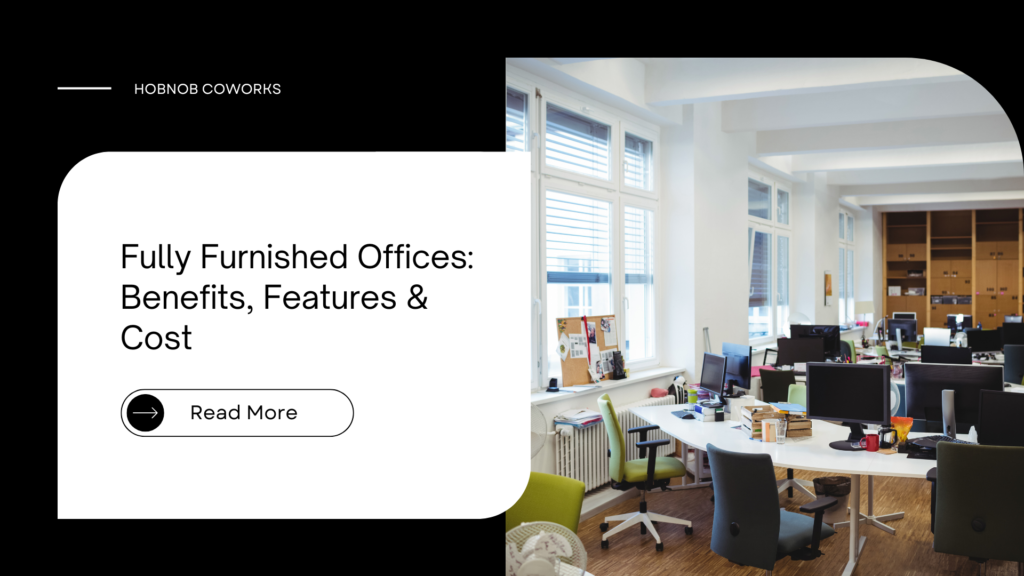
A fully furnished office is a workspace that already has desks, chairs, cabins, internet, and meeting rooms set up before you move in, so your team can start working on day one instead of waiting weeks for setup. It’s the fastest way for a startup or growing company to get a professional office without spending lakhs on interiors and furniture. The Real Problem With Setting Up a New Office Ask any founder who’s opened their first office, and they’ll tell you the same story. You find a space, then you wait. Electricians, carpenters, furniture vendors, internet installation — everyone has their own timeline, and none of them match yours. By the time the office is “ready,” two or three months have gone, along with a chunk of your budget that could’ve gone into hiring or product work. That’s the gap fully furnished offices fill. You skip the waiting and the guesswork, and you walk into a space that’s already built for work. We see this at Hobnob Coworks almost every week. A founder comes in wanting a desk for their team next Monday, not a construction quote. So this guide covers what a fully furnished office actually includes, what it costs, and how to pick one without regretting it later. So, What Exactly Counts as a Fully Furnished Office? Not every “furnished” listing means the same thing, so it helps to know what should actually be included. A genuinely fully furnished office usually comes with: Desks, ergonomic chairs, and storage units Private cabins or team rooms, depending on your headcount Internet and Wi-Fi that’s already tested and working Meeting rooms and conference facilities Pantry, washrooms, and daily housekeeping Power backup and air conditioning Compare that with a bare-shell office, where you get four walls and nothing else. That difference is basically the whole appeal — no civil work, no furniture delivery delays, no back-and-forth with vendors. People often just call this a plug-and-play office, and honestly, that’s the most accurate way to describe it. What Features Should You Actually Look For? Ready-to-Use Infrastructure Wiring, lighting, and internet cabling are done before you sign anything. There’s nothing to test or troubleshoot once you walk in. Seating That Can Grow With You Good coworking-style fully furnished offices don’t lock you into one seat count. Start with 5 seats this quarter, move to 20 next year, without changing buildings. Shared Amenities That Cut Your Costs Reception, meeting rooms, and common areas are usually shared across tenants. You get access without paying for the full upkeep yourself. A Business Address That Means Something A furnished office in a good part of the city carries weight. Try explaining to a client why your “office” is a spare bedroom — a proper address just makes conversations easier. Maintenance That Isn’t Your Job Anymore Something breaks, someone else fixes it. No calling three electricians before 10 am because the AC stopped working right before a client meeting. What Are the Actual Benefits of a Fully Furnished Office? Here’s where it gets practical. These are the reasons businesses actually switch, not just the reasons that sound good on paper. You move in fast. Days, not months. You spend less upfront. No furniture bills, no interior contractor. Your monthly cost is predictable. Rent, maintenance, and internet usually come as one number. You can scale without relocating. Grow your team, add seats, done. Your team works in a better environment. A well-designed space genuinely affects focus and mood — this isn’t just a marketing line. You’re not managing repairs. That’s someone else’s headache now. Clients take you seriously. A polished office does more for your credibility than most people admit. If your biggest worry going into this is “will this break my budget,” fully furnished offices usually answer that in your favour — costs are spread monthly and known in advance, not dumped on you as one giant setup bill. Fully Furnished Office vs Traditional Office vs Open Coworking Factor Fully Furnished Office Traditional Bare-Shell Office Open Coworking Space Setup time A few days 2–4 months Immediate Upfront cost Low Very high Very low Privacy High — private cabins available High Low Maintenance Provider handles it You manage it Provider handles it Scalability Easy Hard Easy Best suited for SMEs, growing teams Large, established firms Freelancers, solo founders If you need both privacy and speed, fully furnished offices sit right in that middle ground — more structured than an open coworking floor, far less painful than building from scratch. How Do You Actually Choose the Right One? (Step-by-Step) Know your headcount first. Don’t just plan for today — think about where your team will be in 12 months. Shortlist by location, not just price. Connectivity, parking, and nearby food options matter more than people expect. Ask for the full amenities list. Internet speed, backup power, housekeeping schedule — get specifics, not vague promises. Actually visit before you sign. Photos hide bad lighting, noise, and cramped seating every single time. Understand what’s bundled into the price. Ask directly what counts as included and what’s an extra charge. Read the fine print on lock-in and exit. This is where people get stuck later, so don’t skip it. Confirm you can scale up (or down). A good provider will let you add seats or shift cabins within the same building. How Much Does a Fully Furnished Office Cost? There’s no single number here — cost depends on the city, the exact location, seat count, and what amenities are bundled in. Jaipur, in general, is noticeably cheaper than Delhi or Bangalore for the same standard of setup. Things that move the price up or down: Which micro-market you pick within the city Number of seats or the cabin size you need Whether meeting room access is included or charged separately Extras like a dedicated internet line or branding rights How long you lock in for (shorter terms can cost a bit more per seat) Here’s a simple way to check if it’s actually

Office Lease Agreement in India: Complete Guide for Businesses (2026)
Uncategorized

Office Lease Agreement in India: Complete Guide for Businesses (2026)

An office lease agreement is the contract that decides how much you pay, how long you’re stuck with a space, and what happens if things go wrong between you and the landlord. In India, leases usually run 3 to 9 years, deposits sit around 6 to 10 months’ rent, and there’s almost always a lock-in clause hiding somewhere in the fine print — one that plenty of business owners only notice after they’ve already signed. You know that feeling when a landlord hands you a 15-page draft and expects you to sign it “as is”? Half the language in there feels designed to confuse, not explain. And in some cases, it genuinely is. A founder I know signed a five-year lease and didn’t catch the lock-in clause until his team went remote eight months later. He couldn’t exit. The penalty plus unpaid rent came to nearly eight lakh rupees. Not a rare story either — I’ve heard versions of this at least a dozen times over the years. What Actually Goes Into an Office Lease Agreement An office lease agreement isn’t just a rent number and a signature line. It’s more like a rulebook for your entire relationship with the landlord, covering things people rarely think about until there’s a dispute. Here’s what a proper one usually includes: Lease tenure – how long you’re locked into the space Lock-in period – the minimum time before you can exit at all Rent escalation – yearly hike, commonly 5% to 15% Security deposit – refundable, held by the landlord Maintenance charges – who’s paying for the common areas Exit clause – notice period and what penalty applies Fit-out period – free time before rent kicks in, meant for interiors Most disagreements don’t come from the rent figure itself. They come from vague wording buried in the exit clause or maintenance section. Read those parts twice. Maybe three times. Why Traditional Commercial Leasing Trips Up So Many Indian Businesses Most first-timers don’t realise this until it’s too late: a traditional office lease agreement locks you into long-term liability even if your business situation changes completely. Here’s an example that plays out constantly. A 20-person startup takes a 5-year lease on a 3,000 sq ft office. Two years pass, the team grows to 60 people, and suddenly they’re paying rent on a space that doesn’t fit — while also scrambling to find a bigger one and negotiate a fresh agreement from scratch. That exact pain point is why flexible workspace models picked up so fast across Indian cities in recent years. Instead of committing to a rigid 5-year commercial lease, businesses can now go for managed office spaces with much shorter, adjustable terms. The Clauses You Genuinely Cannot Afford to Skim Suppose your office lease agreement locks you in for 36 months, but you’re only confident about your business plan for the next 18. That gap alone can turn into a real financial headache down the line. A few clauses deserve more than a quick glance: Lock-in Period Determines how long you’re bound to the space, no matter what changes on your end. If your business is still finding its footing, push to get this negotiated down. Rent Escalation Clause Most Indian landlords go with a 5% annual bump, though some try for 10-15%. Get a cap written into the contract — verbally agreeing isn’t enough. Security Deposit and Refund Terms Usually 6 to 10 months of rent, sometimes more in premium markets. Ask specifically how and when it comes back once you vacate. Maintenance and CAM Charges Common Area Maintenance fees have a habit of quietly adding 15-20% to your monthly cost. Insist on an itemised breakdown instead of one vague number. Termination and Notice Period Know exactly how much notice you owe, and what it’ll cost if you need to break the lease before the term ends. How to Actually Finalise an Office Lease Agreement, Step by Step Shortlist your locations — factor in team size, client access, and what you can actually afford. Negotiate the letter of intent (LOI) before anyone drafts the final agreement. Get a commercial lawyer to review it. Even for a small office. Skipping this step is where most trouble starts. Verify ownership and property documents so you’re not walking into a title dispute later. Register the lease if the tenure crosses 11 months — this is a legal requirement in India, not optional. Pay stamp duty, which varies depending on your state. Do a proper fit-out inspection before moving in, and get the space condition documented in writing. Traditional Lease vs. Managed Office Space Factor Traditional Office Lease Managed Coworking Space Typical tenure 3–9 years 3–12 months, flexible Upfront cost High deposit + fit-out cost Minimal to zero fit-out cost Exit flexibility Locked-in, penalty on early exit Easy scale up/down Maintenance Tenant’s responsibility Handled by operator Best suited for Large, stable enterprises Startups, growing teams, hybrid businesses If your business genuinely needs decade-long certainty, a traditional office lease agreement still holds up fine. But for most companies growing at a normal pace today, a flexible workspace cuts out a lot of the legal and financial guesswork that comes with it. Mistakes Businesses Keep Making With Office Leases Skipping negotiation on the lock-in period entirely Glossing over the maintenance charges fine print Avoiding legal review to save a few thousand rupees Never checking the landlord’s actual property title Forgetting that leases past 11 months need registration None of these are hard to avoid. They usually happen because someone found a good office and rushed to close the deal before “losing” it. Key Takeaways Office lease agreements in India typically run 3 to 9 years, with a lock-in clause attached. Security deposits generally fall between 6 and 10 months of rent. A legal review before signing is worth it, regardless of office size. Any lease beyond 11 months legally needs to be registered. Managed coworking spaces give you a flexible alternative to long, rigid commercial leases. Frequently

Office Setup Cost in India: Complete 2026 Guide
Uncategorized

Office Setup Cost in India: Complete 2026 Guide

Office setup cost in India generally falls between ₹3 lakh and ₹25 lakh for a small to mid-size team, and that range depends heavily on the city, the size of the space, and how much you spend on interiors. That’s the real range, not the polished number a vendor quotes you on day one, which conveniently leaves out furniture, IT wiring, and the deposit. Let me tell you why that gap trips up so many first-time founders. A friend of mine set up his first office in Jaipur last year. Vendor quoted him ₹4 lakh for a decent 10-seater. By the time furniture, internet cabling, AC, and the landlord’s security deposit got added in, he was closer to ₹7.5 lakh. Nobody cheated him exactly – he just didn’t ask the right questions early enough, and that’s honestly the most common mistake I see. This guide exists to close that gap before it costs you. Why Office Setup Cost Never Has One Fixed Number There isn’t a single figure because too many variables are in play. Office setup cost shifts depending on whether you’re taking bare-shell space or something semi-furnished, which city you’re in, and frankly, how hard you’re willing to negotiate with the landlord. I’ve watched two businesses set up 15-seater offices in the same Jaipur locality, six months apart, and end up ₹2 lakh apart on total spend. Same size, same area – just different vendors and different negotiating skill. What Actually Goes Into the Number Most people only budget for rent and forget the rest. Here’s what should actually be on your list. Rent and Deposit Landlords in India typically want 6 to 10 months’ rent upfront as security deposit. This one line item alone can wreck an early-stage budget if you haven’t planned for it. Interiors and Furniture Desks, chairs, cabins, meeting room furniture – this is where the swing is biggest. A basic setup runs ₹40,000-60,000 per employee. Go premium and you’re easily past ₹1.5 lakh per seat. Electrical and IT Infrastructure Wiring, internet lines, server racks if you need them, CCTV, biometric access. None of it’s optional these days, and vendors rarely put it in their first quote – you usually find out later. Licenses and Compliance Fire NOC, trade license, GST paperwork. Individually cheap, but they stack up, and delays here can push your move-in date back by weeks without warning. AC, Lighting, and Utilities Central AC for a larger office can run into lakhs on its own. Even split ACs for a 10-15 seat setup add a noticeable chunk that people rarely account for. A Rough Cost Breakdown Component Approximate Cost (10-seater office) Rent deposit (6-10 months) ₹1.5 – ₹4 lakh Furniture and interiors ₹4 – ₹8 lakh Electrical and IT setup ₹1 – ₹2 lakh AC and utilities ₹1 – ₹1.5 lakh Licenses and compliance ₹30,000 – ₹60,000 Total estimated range ₹7.5 – ₹16 lakh These are ballpark numbers based on what we see in Jaipur and similar tier-2 cities. Metro cities like Mumbai or Bangalore usually run 30-50% above this. Office Setup Cost Changes A Lot By City Here’s what most people don’t realize until they’re actually comparing quotes side by side – office setup cost for the same size office can look wildly different depending on where you are. Mumbai and Delhi NCR sit at the top – highest rent, highest deposits, premium interiors Bangalore and Pune land in the moderate-to-high bracket, especially near tech corridors Jaipur and other tier-2 cities cost noticeably less, and you’re not sacrificing much on interior quality either This is exactly why a lot of startups are moving operations, or at least opening a satellite office, in cities like Jaipur. The office setup cost drops sharply without losing much on talent or connectivity. What If You Skip Most Of This Entirely? Here’s what most buyers don’t realize until it’s too late – a traditional setup locks up your capital for months before you’ve hired a single person. A coworking setup flips that around. Walk into Hobnob Coworks in Jaipur and you get a furnished, internet-ready, fully compliant space from day one. No deposit haggling that drags for weeks, no furniture vendor headaches, no fire NOC chase. Imagine this – you’re a 12-person startup that just closed a small seed round. Spending ₹10 lakh on a traditional office before you’ve even validated your product? Doesn’t make much sense. A coworking desk gets you working the same week, at a fraction of that spend. Planning Your Budget – Step by Step Decide your team size and hiring timeline – budget 20-30% extra seats if you’re growing soon Shortlist locations and compare rent per sq ft across at least 3-4 areas Ask for itemized quotes – make vendors break out furniture, electrical, and AC separately Factor in compliance costs upfront – fire NOC, trade license, GST paperwork Run the numbers on traditional vs coworking before deciding either way Add a 15-20% buffer – almost every setup runs a bit over, plan for it rather than get surprised Mistakes That Quietly Inflate Your Budget Signing a lease before checking the total deposit amount, which surprises people more often than you’d think Underestimating furniture, especially for meeting rooms and the reception area Leaving IT infrastructure until the last minute, which leads to rushed, overpriced installations Never comparing coworking numbers before locking into a long-term lease Is Coworking Actually Cheaper In The Long Run? For most early-stage and mid-size teams, yes, honestly. A traditional office setup cost ties up capital you can’t easily recover if plans change. Coworking turns that into a predictable monthly expense – much easier to manage when you’re watching every rupee. Quick Recap Office setup cost in India typically runs ₹3 lakh to ₹25 lakh depending on size and city Rent deposits alone can eat up 20-30% of your total budget Jaipur and other tier-2 cities cost significantly less than metros Coworking removes most of the upfront cost entirely Add a 15-20% buffer to whatever a

Virtual Office for GST Registration in Jaipur
Uncategorized

Virtual Office for GST Registration in Jaipur : Complete Guide 2026

a virtual office for GST registration in Jaipur gets you a legal commercial address (rent agreement, NOC, utility bill, the works) without you actually sitting in that office every day. Most people get their GSTIN within a week or two once the documents are in order. Now let me tell you why this has become such a common route for founders in Jaipur lately. A few weeks back, a guy walked into our office – selling handmade jewellery on Instagram and Amazon, doing decent numbers already, but stuck. His CA had told him he needed a GST number, and GST wanted a commercial address with proper documents. He was running the whole thing from his bedroom. No way was he putting that address on invoices going out to customers across the country. That’s basically the story of half the people who reach out to us. Not a made-up example, just what happens here every month or so. Why This Keeps Happening to New Business Owners GST registration needs proof of address – rent agreement, NOC, a utility bill. Fine on paper. In real life, most people starting out either work from home or don’t have any of these documents lying around. Some try borrowing a shop address from a relative. I’ve seen this backfire more times than I can count – GST officer shows up for physical verification, finds no actual business activity there, and the application gets stuck or rejected outright. A virtual office for GST registration in Jaipur sidesteps this whole mess. You’re not shelling out lakhs for space you’ll barely use, and you still walk away with a real, verifiable commercial address. Okay, But What Even Is a Virtual Office? Here’s the easiest way I explain it to clients – you’re renting an address, not a room. That address is legally yours to use for GST, for company registration, even to print on your visiting card. You’re just not physically there most days. At Hobnob (and most coworking providers do this too), we handle mail and courier for you. Someone’s actually present if a GST inspector or a delivery guy walks in. That part sounds minor until you realize how many applications get stuck simply because nobody was there to receive the verification visit. Why Jaipur Founders Are Leaning Into This Jaipur’s grown a lot as a business city, ecommerce especially, plus IT and consulting. Truth is, a big chunk of these businesses don’t need four walls and someone answering phones all day. What they actually need is an address that looks legitimate on paper. A virtual office for GST registration in Jaipur does exactly that job – a commercial address in a recognised zone, without the dead weight of a full lease. For a bootstrapped founder, the money saved here can literally stretch the runway by a few extra months. Documents You’ll Actually Need Let’s say you’re starting an online clothing brand and want to register from Jagatpura. Here’s what a decent virtual office provider should be handing you: Rent or Leave & License agreement, in your business name NOC (No Objection Certificate) from the property owner Recent electricity or utility bill copy Property tax receipt (some GST officers ask for this specifically) Miss even one of these and your application can land in “pending for clarification” – honestly one of the more annoying things a new founder deals with, mostly because nobody explains why it happened. How the Whole Process Actually Works Roughly, here’s how it plays out when someone comes to us: Pick your location – Vaishali Nagar, Shipra Path, Swan Path, Sumer Nagar, or Jagatpura, whichever fits your business image best Sign the virtual office agreement – a day, sometimes less Get your address kit – rent agreement, NOC, utility bill, all in your business name File GST on the government portal with PAN, Aadhaar, photos, and these documents Physical verification if it comes up – since the space is real and staffed, this usually goes fine GSTIN arrives – typically 7 to 15 working days, depends a bit on how busy the department is that month Virtual Office vs Traditional Office Factor Virtual Office Traditional Office Monthly cost ₹1,000 – ₹5,000 approx ₹15,000+ depending on locality Setup time 1-2 days Weeks (lease negotiation, fit-out) GST registration support Included, address-ready Needs separate documentation Physical presence needed No Yes Best suited for Startups, freelancers, ecommerce sellers Teams needing daily office space These numbers move around a bit by provider, but the gap’s usually big enough that most early founders don’t spend long deciding. Read Also — Virtual Office vs Physical Office: Which Is Right for Your Business Not All Addresses Are Equal Here’s something most people don’t think about until it’s too late. A virtual office for GST registration in Jaipur set up in Vaishali Nagar or Shipra Path just carries more weight with clients and vendors than a residential lane address would. We currently run virtual office addresses in Jagatpura, Sumer Nagar, Shipra Path, Swan Path, and Vaishali Nagar – all proper commercial zones. Helps with GST verification, and honestly it helps with how your business looks to outsiders too. Mistakes I See People Make Again and Again Going for the cheapest provider without checking if the office is actually maintained – empty or fake addresses get flagged fast during physical verification Forgetting to renew the agreement every year, then scrambling when compliance notices show up Assuming a virtual office means skipping GST rules somehow – it doesn’t, it just handles the address part Not asking upfront whether courier and mail handling is even included Is It Actually Legal for GST Purposes? Yes, and people ask this constantly, so let’s settle it. As long as the provider gives you real documentation – rent agreement, NOC, utility bill – and the space genuinely exists and operates, GST authorities accept it without a fuss. What gets rejected is fake or non-functional addresses, not the virtual office model itself. Quick Recap A virtual office for

Best Coworking Space in Vaishali Nagar, Jaipur (2026 Guide)
Uncategorized

Best Coworking Space in Vaishali Nagar, Jaipur (2026 Guide)

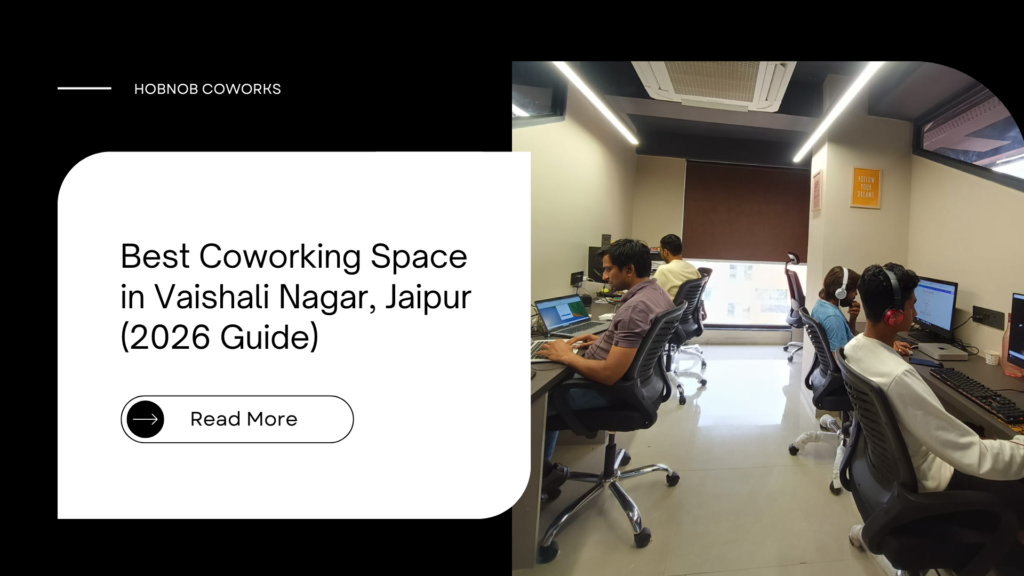
If you’re searching for a coworking space in Vaishali Nagar Jaipur, here’s the short answer: Hobnob Coworks offers hot desks, dedicated desks, private cabins, and meeting rooms in Vaishali Nagar, with flexible monthly plans, high-speed WiFi, and a location that’s close to cafes, banks, and major roads — making it one of the most practical picks for freelancers, startups, and small teams in west Jaipur. Now let’s get into why that matters, and how to actually pick the right one. The Problem Most People Face While Searching for Office Space Here’s what usually happens. You start a small business or take up remote work, and within a few weeks, working from your bedroom or a coffee shop stops feeling productive. Wifi drops mid-call. Someone’s TV is too loud. Clients ask “can we meet somewhere professional?” and you don’t really have an answer. That’s exactly the gap a coworking space in Vaishali Nagar Jaipur fills. You get a real office address, a quiet desk, meeting rooms when you need them — without signing a three-year lease or hiring an office manager. Why Vaishali Nagar Has Become a Preferred Work Hub in Jaipur Vaishali Nagar sits in the south-western part of the city, right along Ajmer Road, and it’s grown into one of Jaipur’s busiest residential-cum-commercial pockets. Malls, hospitals, schools, and a steady stream of startups have moved in over the last few years. That’s part of why demand for a coworking space in Vaishali Nagar Jaipur has gone up so fast. Founders don’t want to commute to Malviya Nagar or C-Scheme anymore when there’s good infrastructure right in their own neighbourhood. A few reasons people in this area specifically look for coworking space in Vaishali Nagar: Shorter commute for residents of Vaishali Nagar, Nirman Nagar, and Sanjay Nagar Easy connectivity to Ajmer Road and NH-48 Cafes, ATMs, and eateries within walking distance A younger, startup-heavy crowd compared to older business districts What Makes Hobnob Coworks Different We’ve been setting up and running coworking spaces across Jaipur — Mansarovar, Sanganer, Jagatpura, and now Vaishali Nagar — long enough to know what actually gets used and what just looks good in photos. A gaming zone sounds nice in a brochure, but most members care about three things: stable internet, a chair that doesn’t hurt their back after 6 hours, and staff who fix issues quickly. That’s the experience we’ve built Hobnob’s coworking space in Vaishali Nagar Jaipur around. Here’s what most buyers don’t realize until they’ve already signed up somewhere else — a lot of “premium” coworking spaces charge extra for printing, meeting room hours, or even parking. At Hobnob, that’s built into the plan from day one, no surprise line items later. Types of Coworking Space in Vaishali Nagar Jaipur You Can Choose From Hot Desk Best for freelancers or remote employees who don’t need a fixed seat every day. You walk in, sit anywhere available, and work. Dedicated Desk Your own fixed desk in a shared area — good for people who want consistency without paying for a full private cabin. Private Cabin Ideal for small teams (2 to 10 people) who need a closed-door setup, especially if client calls or confidential work is involved. Meeting Room Bookable by the hour, useful even if you don’t have a permanent seat with us. Good for client pitches or interviews. Virtual Office If you just need a registered business address in Vaishali Nagar for GST or company registration, without using the desk daily. Coworking Space in Vaishali Nagar Jaipur: Pricing at Hobnob Here’s exactly what a coworking space in Vaishali Nagar Jaipur costs at Hobnob Coworks — no hidden line items, no surprises later. Plan Type Details Price Hot Desk / Dedicated Desk Plug in anywhere in our open-plan area and start working instantly ₹3,000/month per workstation 4-Seater Private Cabin Perfect for small teams looking for a private, focused workspace ₹10,000/month 6-Seater Private Cabin Great for startups that need a dedicated team space ₹16,000/month 10-Seater Private Cabin Spacious cabin for growing teams with collaboration needs ₹20,000/month All plans at our coworking space in Vaishali Nagar Jaipur include electricity and power backup, high-speed WiFi, daily cleaning, separate washrooms, unlimited tea and coffee, pantry access, and reception support — nothing extra to pay for on top. For exact seat availability and current offers, it’s best to call or WhatsApp us directly at +91 9351492360 before you visit. How to Book a Coworking Space in Vaishali Nagar Jaipur — Step by Step Shortlist based on need — decide if you need a desk daily or just occasionally. Visit in person — photos rarely tell you how a space actually feels; a 15-minute visit does. Ask about hidden costs — printing, parking, AC timings, and meeting room hours. Check the community — a good coworking space in Vaishali Nagar Jaipur should have a mix of people, not an empty floor. Start with a day pass — most spaces, including Hobnob, let you try before committing monthly. Coworking Space vs Traditional Office — A Quick Comparison Setup time: Coworking = move in same day. Traditional office = weeks of furnishing and internet setup. Cost: Coworking = pay per desk, no CapEx. Traditional office = deposit, furniture, maintenance staff. Flexibility: Coworking = scale up or down monthly. Traditional office = locked into a lease. Networking: Coworking = built-in community of founders and freelancers. Traditional office = none. Who Actually Benefits From This Not everyone needs the same setup. A solo content writer might be perfectly happy with a hot desk twice a week. A 5-person marketing agency, on the other hand, usually outgrows a hot desk within a month and moves to a private cabin. Imagine this situation — a startup founder we worked with started with one dedicated desk, and within four months had a six-person cabin, without ever having to break a lease or find a new office. That flexibility is really the whole point of coworking. Key Takeaways A coworking space in Vaishali Nagar Jaipur

Hot Desk vs Dedicated Desk: Which One Is Right for You?
Uncategorized

Hot Desk vs Dedicated Desk: Which One Is Right for You?

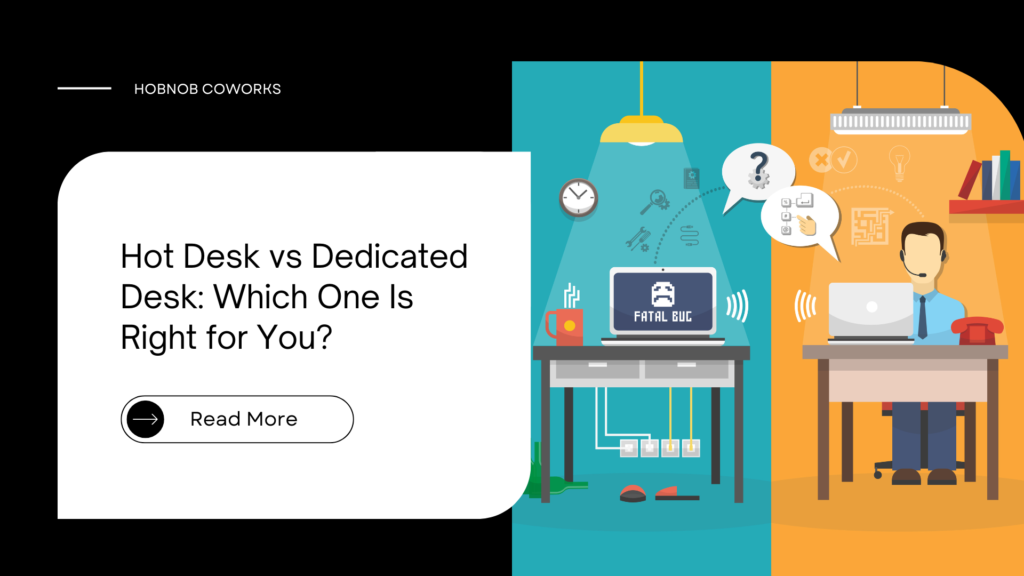
Short on time? Here’s the answer. A hot desk is a shared, flexible workstation you book daily or hourly. A dedicated desk is a fixed, personal space reserved only for you, usually billed monthly. Pick a hot desk for flexibility and lower cost. Pick a dedicated desk if privacy and a permanent spot matter more to you than saving a few hundred rupees. There’s more nuance to it though, so let’s get into the details. Why This Question Even Comes Up Most people land on the hot desk vs dedicated desk question the same way — they’ve outgrown their home office, or the local café Wi-Fi finally gave up on them, and now they’re staring at a coworking website full of terms nobody bothered to explain. Hot desk. Dedicated desk. Private cabin. Virtual office. None of it means much until someone breaks it down for you. We’ve had this exact conversation with people walking into our space at Hobnob Coworks in Jaipur — freelancers needing somewhere quiet two days a week, and founders building a five-person team who needed something permanent. Same hot desk vs dedicated desk question, very different answers depending on who’s asking. Hot Desk, Explained Simply A hot desk isn’t yours, not in the way a desk at a traditional office is. It’s part of a shared pool — you show up, grab whatever’s free, work, and leave it for the next person. Bit like booking a train seat: you’ll get a place to sit, just maybe not the same one twice. What you’re actually getting with a hot desk: Daily or monthly pay-as-you-go plans, no long contracts Open seating, first come first served Noticeably cheaper than a fixed desk A good fit if you’re only in 3-4 days a week More casual networking, since you sit next to someone new each time If you’re a freelancer popping in twice a week between client calls, a hot desk does the job fine. No real reason to pay for more. Dedicated Desk, Explained Simply A dedicated desk flips that arrangement. It’s reserved for you, and only you, for as long as your membership runs. Leave your second monitor plugged in overnight — nobody’s touching it. It’s the middle ground between a fully shared hot desk and renting a private office. What comes with a dedicated desk: A fixed seat that’s actually yours Storage, often a lockable drawer The same setup, same spot, every day Costs more than a hot desk, but you get stability in return Works well for daily users and small teams sitting together If you’re handling client files that need to stay private — a CA or a consultant, say — a dedicated desk makes more sense. Flexibility stops being the priority once confidentiality enters the picture. Hot Desk vs Dedicated Desk at a Glance Factor Hot Desk Dedicated Desk Seating Shared, not fixed Fixed, personal Cost Lower, pay-per-use Higher, fixed monthly Privacy Limited Better Storage Minimal or none Lockable storage included Best for Freelancers, hybrid workers Daily users, small teams Commitment Short-term Medium to long-term Networking Higher, new faces often Moderate, same neighbours The table makes the hot desk vs dedicated desk choice look simple, and on paper it kind of is — the real call usually comes down to how often you actually show up. So, Which One Costs Less? In the hot desk vs dedicated desk cost comparison, it depends entirely on how often you’re walking through the door. Hot desks are billed per day, great for occasional visits. Dedicated desks charge a flat monthly fee no matter how many days you use it. Rough rule we tell people: under 15 days a month, a hot desk is usually cheaper. Past that, the math flips, and a dedicated desk starts costing you less per visit since the price doesn’t change. What About Privacy? This is where dedicated desks pull ahead in the hot desk vs dedicated desk privacy comparison. If you’re on calls all day or handling anything sensitive, having your own corner — dual monitor, locked drawer, no scrambling for a seat — changes how your day goes. Hot desks are fine for an hour of emails, but they’re not built for eight hours of focused, uninterrupted work. How to Actually Decide Between a Hot Desk and Dedicated Desk   Count your office days. Under 3 a week, a hot desk probably covers it. Think about privacy. Sensitive work or frequent calls push you toward a dedicated desk. Do the math. Compare what a hot desk would cost at your usage rate against the flat dedicated desk fee. Factor in your team. Solo and occasional users lean hot desk; growing teams lean dedicated. Test it first. Most coworking spaces, ours included, let you try a day pass before signing anything. A Quick Real Example  Ankit, a freelance writer based here in Jaipur, started on a hot desk since he was only coming in twice a week. As his client list grew and visits turned into five days a week, the constant hunt for a free desk and a working socket got old fast. He switched to a dedicated desk and felt the difference almost immediately — a pretty typical path once a routine settles. Why It Matters More Right Now Hybrid work isn’t slowing down, and Jaipur’s coworking scene is growing with it. Startups and remote teams are choosing shared offices over traditional leases because the math works better and terms are far more flexible — which is exactly why the hot desk vs dedicated desk decision matters more in 2026 than it did a few years ago. Key Takeaways A hot desk suits flexible, occasional use and costs less. A dedicated desk offers privacy and a fixed setup for daily users. Frequency of office visits is the real deciding factor here. Hobnob Coworks offers both, so you can switch as your needs change. No universally “better” option — just the one matching how you work. Frequently Asked Questions What’s the core

Workation Meaning: Benefits, Examples & Complete Guide
Uncategorized

Workation Meaning: Benefits, Examples & Complete Guide

To understand the true workation meaning, think of it as a “working vacation.” It is a modern travel trend where professionals work remotely from a holiday destination. Instead of taking paid time off, you complete your daily work hours while enjoying a new city, beach, or mountain resort during your evenings and weekends. Let’s be honest. Working from home used to sound like a dream, right? But lately, staring at the exact same four walls every single day is causing serious burnout for a lot of people. You feel stuck. You want to travel, but your leave balance is looking a little sad. Here is the solution: Pack your laptop, book a ticket, and go on a working holiday.   Let’s Decode the Exact Workation Meaning So, what is the real workation meaning in 2026? It’s simply blending your daily job with travel. You don’t take leaves. You just change your background. When friends ask me about the workation meaning, I usually tell them to imagine answering morning emails from a vibrant city cafe, taking a solid lunch break to eat local street food, and finishing the day exploring historical forts. How the Workation Meaning Changed Over Time A few years ago, working while traveling meant dealing with terrible hotel Wi-Fi. Today, the core workation meaning is all about balance and high productivity. With the rise of flexible work and dedicated coworking spaces, you can be just as productive 500 miles away from your actual home. Big Benefits of Taking a Workation Why are people doing this? Recent industry surveys show that over 68% of remote workers plan to take a working holiday this year. Here is why: Beats the Burnout: Changing your scenery instantly boosts your mood. Saves Leaves: Save your precious paid time off for pure, offline holidays. Boosts Creativity: Seeing new places and meeting new people gives your brain fresh ideas. Longer Travel: Instead of a rushed 3-day weekend trip, you can stay somewhere for 2 weeks.   Real-Life Examples (How It Actually Looks) Let’s understand with an example. Imagine this situation: Rahul is a graphic designer from Delhi. He books a one-month Airbnb in Jaipur. From Monday to Friday, he works from a professional coworking space to get fast internet and a quiet desk. At 6 PM, he closes his laptop and heads out to explore the Pink City.   That is exactly how it should be done. Understanding the workation meaning helps you plan a trip where you actually get your tasks done without feeling stressed.   Step-by-Step Guide to Planning Your First Trip Here is what most people don’t realize: you cannot just show up at a beach with a laptop. Planning is everything. Talk to Your Manager: Be transparent. Tell them your working hours will remain the same. Pick the Right Destination: Don’t go deep into a jungle where your phone loses signal. Choose cities with good infrastructure. Book a Coworking Space: This is the big secret. Hotel Wi-Fi drops. Cafes get noisy. Book a hot desk at a professional space. (Internal Link Suggestion: [Check out flexible daily passes here]) Set Strict Boundaries: Work when it’s time to work. Play when it’s time to play. To truly grasp the workation meaning, you have to treat the workday seriously so you can enjoy your evenings guilt-free.   WFH vs Workation: What’s the Difference? Feature Regular WFH Workation Scenery Your bedroom or living room A new city, state, or country Productivity Can feel repetitive and dull High energy, motivated to finish early After-Work Hours Watching TV on the sofa Exploring local food and sights Mental Health Prone to isolation Exciting and refreshing   Common Mistakes People Make A lot of people confuse the workation meaning with just slacking off. I see this all the time. People sit by a swimming pool with a laptop, the sun glares on their screen, the battery dies, and they miss a client meeting. That is a disaster, not a working holiday. You need an ergonomic chair and high-speed internet during the day.   Why Jaipur is the Ultimate Destination If you are looking for rich culture, amazing food, and affordable living, Jaipur is top-tier. Plus, the coworking infrastructure here is incredible. If you decide to work from Jaipur, hobnob coworks has you completely covered. We provide premium, high-speed, and peaceful workspaces right where you need them. Whether your Airbnb is near Shipra Path, Sumer Nagar, Vaishali Nagar, or Swarn Path, we have a vibrant location nearby. You get the perfect professional environment during the day, so you can explore Rajasthan by night.   Quick Summary & Key Takeaways Now that the workation meaning is clear, here are the main things to remember: It is not a paid leave; you still work your regular hours. Always secure reliable internet and a quiet desk before you travel. Cities with good coworking spaces (like Jaipur) make the best destinations. It is the best cure for remote-work burnout. People Also Ask (FAQs)   1. What is the simple workation meaning? The simple workation meaning is taking your laptop to a holiday destination. You complete your regular work duties during the day and enjoy a vacation experience in your free time. 2. Does the workation meaning imply I work fewer hours? No. The workation meaning implies you maintain your normal productivity and work hours, you are just doing it from a different geographic location. 3. How long should a working holiday be? Usually, 1 to 4 weeks is the sweet spot. Anything less feels too rushed, and anything more might require a more permanent setup. 4. Do I need to inform my boss? Yes, absolutely. Being transparent builds trust. Just assure them your availability and internet connection will be solid. 5. Where is the best place to work remotely in Jaipur? hobnob coworks is highly rated for remote workers and travelers, with convenient premium locations across Shipra Path, Sumer Nagar, Vaishali Nagar, and Swarn Path. 6. Is it expensive to do this? It

Digital Nomad India 2026: Best Cities, Costs & Lifestyle Guide
Uncategorized

Digital Nomad India 2026: Best Cities, Costs & Lifestyle Guide

Living as a digital nomad in India in 2026 offers an incredibly affordable, culturally rich, and highly connected lifestyle. With nationwide 5G, the average cost of living ranges from $500 to $1,000 per month, depending on the city. The top digital nomad cities in India include Goa, Jaipur, Bengaluru, and Dharamshala. Remote workers can easily find thriving communities, reliable internet, and modern coworking spaces in India, making it a premier destination for a location-independent lifestyle. Quick Summary & Key Takeaways Internet is no longer a worry: 5G networks cover almost all tier 1 and tier 2 cities. Cost-effective living: You can live comfortably in premium areas for a fraction of Western costs. Community growth: The digital nomad community India has exploded, making networking easier than ever. Coworking boom: Cities like Jaipur offer world-class desk setups that rival global standards. The Home Office Trap (And the Ultimate Solution) Imagine this situation: You wake up, walk three steps to your desk, stare at the same wall all day, and then move to the couch. Sound familiar? A few years ago, the work from anywhere lifestyle sounded like a dream. But for many, it just turned into working from the same boring room. You want to travel, explore new cultures, and actually enjoy your freedom. But then the fear sets in. What if the WiFi drops during a Zoom call? What if it’s too expensive? What if you feel isolated? Here’s what most remote workers don’t realize: India has quietly transformed into one of the ultimate remote work destinations India. In 2026, combining travel and work in India isn’t just for backpackers roughing it in hostels. It’s for professionals who want fast internet, great coffee, and a vibrant digital nomad lifestyle without draining their savings. Let’s break down exactly how you can make this location independent lifestyle a reality this year. Why Choose India for Your Remote Working Lifestyle?   I’ve seen folks come here planning to stay for a month, only to extend their trip to a year. Why? Because the math just makes sense. First, the cost of living in India for digital nomads is unbeatable. You aren’t just surviving; you are thriving. You can afford to eat out every day, rent a beautiful apartment, and pay for a premium coworking space for less than the rent of a tiny studio in London or New York. Second, the infrastructure has caught up. The internet connectivity in India today is largely powered by cheap, high-speed 5G. Whether you are by the beach or near a historic palace, your connection holds up. Top 5 Digital Nomad Cities in India for 2026   Picking the right base is crucial. You need a mix of good infrastructure, safety, and community. Here are the best cities for digital nomads right now. 1. Jaipur: The Heritage Work Hub Let’s talk about the Pink City. Jaipur has become a massive magnet for those seeking to work remotely in India who want rich culture without the chaotic rush of a metro city. It’s incredibly safe, culturally stunning, and packed with modern cafes. Plus, the coworking spaces in India have evolved massively here. Places like hobnob Coworks provide enterprise-grade internet, ergonomic chairs, and a ready-made network of entrepreneurs and freelancers. It is arguably the most balanced city for a flexible work lifestyle. 2. Goa: The Classic Beach Base Goa is still the undisputed king for those who want a laid-back, tropical vibe. Areas like Morjim, Arambol, and Anjuna are packed with cafes designed specifically for the digital nomad crowd. The downside? Rents have gone up significantly during the peak season (November to February). 3. Bengaluru: The Tech Capital If your work requires you to network with tech founders, investors, or software developers, Bengaluru is the place to be. It has a fast-paced, modern energy. Just be prepared for higher living costs and notorious traffic. 4. Dharamshala (McLeod Ganj): The Mountain Retreat For those who want to escape the heat, working from the Himalayas is a game-changer. The air is clean, the vibe is spiritual, and thanks to recent infrastructure pushes, fiber-optic internet is now common in local cafes and stays. 5. Kochi: The Quiet Coastal Escape If Goa feels too crowded, Kochi in Kerala is a fantastic alternative. It offers a relaxed coastal life, incredible food, and a growing community of creative remote workers. It’s one of the most affordable cities for remote workers looking for peace and quiet. Cost of Living in India for Digital Nomads (2026) Let’s talk numbers. How much does this remote working lifestyle actually cost? While it depends on your spending habits, here is a realistic monthly breakdown for a comfortable, middle-to-upper-tier lifestyle.   Expense Category Estimated Monthly Cost (USD) Estimated Monthly Cost (INR) Accommodation (1BHK/Studio) $250 – $500 ₹20,000 – ₹40,000 Food (Eating out + Groceries) $150 – $300 ₹12,000 – ₹25,000 Coworking Space Desk $60 – $120 ₹5,000 – ₹10,000 Local Transport (Cabs/Scooter) $40 – $80 ₹3,000 – ₹6,500 Internet (5G SIM + Home Fiber) $15 – $25 ₹1,200 – ₹2,000 Total Estimated Cost $515 – $1,025 ₹41,200 – ₹83,500 Let’s understand with an example. Cities like Jaipur offer the sweet spot right in the middle of these ranges. It gives you an amazing quality of life at a very reasonable price point.   Step-by-Step: Setting Up Your Remote Work in India Starting your digital nomad India journey doesn’t have to be overwhelming. Just follow this exact process: Step 1: Sort Your Visa First: Currently, a specific digital nomad visa India isn’t an official category like in some European countries. Most remote workers enter on a 1-year or 5-year multiple-entry e-Tourist or Business visa. Always check the latest 2026 government updates before booking flights. Step 2: Get Connected at the Airport: Don’t wait to reach your hotel. Grab an Airtel or Jio prepaid 5G SIM card right at the airport. They require your passport and a local address (your hotel works), and plans with 2GB of data per day cost less than

Employee Burnout in 2026: Signs, Causes & Prevention Tips
Uncategorized

Employee Burnout in 2026: Signs, Causes, and How to Prevent It

Employee Burnout in 2026: Signs, Causes, and How to Prevent It Employee Burnout is one of the biggest workplace challenges in 2026. It happens when ongoing work-related stress leaves employees physically tired, mentally exhausted, and emotionally drained. Common signs include low motivation, constant fatigue, difficulty concentrating, and reduced productivity. The good news is that burnout can be prevented through better workload management, healthy work habits, strong leadership, and a supportive work environment. Why Employee Burnout Matters More Than Ever in 2026 Work has changed significantly over the last few years. Employees are expected to manage emails, meetings, deadlines, projects, and constant communication throughout the day. While technology has made work faster, it has also made it harder for many people to switch off. As a result, Employee Burnout is becoming a serious concern for businesses of all sizes. When employees feel exhausted for weeks or months without enough recovery time, their performance, creativity, and overall well-being start to decline. For businesses, burnout is not just an HR issue. It affects productivity, employee retention, workplace culture, and even customer satisfaction. Understanding burnout is the first step toward creating healthier and more productive workplaces. What Is Employee Burnout? Employee Burnout is a state of physical, mental, and emotional exhaustion caused by prolonged workplace stress. It is different from feeling tired after a busy week. A stressed employee may still feel motivated and optimistic. A burned-out employee often feels disconnected, overwhelmed, and unable to perform at their best. Many people don’t notice burnout immediately because it develops gradually over time. Signs of Employee Burnout Burnout rarely appears overnight. Most employees experience warning signs before the problem becomes serious. Physical Signs Constant tiredness Frequent headaches Lack of energy Poor sleep quality Feeling exhausted even after resting Emotional Signs Increased frustration Irritability Anxiety Feeling overwhelmed Lack of motivation Workplace Signs Reduced productivity Missed deadlines Difficulty concentrating Increased mistakes Lower work quality Behavioral Signs Avoiding responsibilities Delaying tasks Reduced participation in meetings Withdrawing from coworkers Recognizing these signs early can help prevent long-term problems. Employee Burnout vs Workplace Stress Many people use stress and burnout interchangeably, but they are not the same. Workplace Stress Employee Burnout Usually temporary Long-term condition High pressure Emotional exhaustion Motivation remains Motivation decreases Can improve quickly Takes longer to recover Feeling overwhelmed Feeling disconnected Stress may come and go. Burnout often stays until meaningful changes are made. What Causes Employee Burnout? There is rarely one single reason behind burnout. In most cases, several factors work together. 1. Excessive Workload When employees consistently have more work than they can realistically manage, stress begins to build. Over time, this becomes one of the leading causes of Employee Burnout. 2. Poor Work-Life Balance Many professionals struggle to separate work from personal life. Checking emails late at night or working on weekends may seem harmless, but it can eventually affect mental well-being. 3. Lack of Recognition Employees want to feel appreciated. When effort goes unnoticed for long periods, motivation often declines. 4. Poor Communication Unclear goals and expectations create confusion and frustration. Good communication helps employees feel more confident and supported. 5. Constant Digital Distractions Notifications, messages, calls, and virtual meetings can make employees feel mentally overloaded. How Employee Burnout Affects Businesses Some companies underestimate the cost of burnout. However, the impact can be significant. Lower Productivity Burned-out employees often take longer to complete tasks and may struggle to stay focused. Higher Employee Turnover Employees experiencing burnout are more likely to leave their jobs. Replacing employees can be expensive and time-consuming. Reduced Creativity Innovation and problem-solving become difficult when employees are mentally exhausted. More Absenteeism Burnout can contribute to increased sick leave and unplanned absences. Poor Team Morale Burnout often affects entire teams, not just individual employees. 10 Effective Ways to Prevent Employee Burnout The good news is that burnout is preventable. Here are practical strategies businesses can implement. 1. Encourage Healthy Work-Life Balance Employees should be encouraged to disconnect after work hours whenever possible. 2. Set Realistic Deadlines Unrealistic expectations often create unnecessary pressure. 3. Reduce Unnecessary Meetings Not every discussion requires a meeting. Fewer meetings can help employees focus on meaningful work. 4. Recognize Employee Contributions Simple appreciation can have a powerful impact on motivation. 5. Support Flexible Working Flexible schedules can help employees manage both personal and professional responsibilities. 6. Promote Regular Breaks Short breaks throughout the day improve concentration and energy levels. 7. Improve Workplace Communication Clear communication reduces misunderstandings and workplace stress. 8. Provide Learning Opportunities Employees are more engaged when they have opportunities to grow professionally. 9. Support Mental Well-Being Creating a supportive culture encourages employees to seek help when needed. 10. Create Better Work Environments The workplace itself can influence employee well-being and productivity. Why Work Environment Plays a Major Role Many businesses focus only on workload when discussing burnout. However, the work environment matters just as much. A productive workspace can help employees: Stay focused Collaborate effectively Reduce distractions Improve productivity Feel more engaged This is one reason why many startups, entrepreneurs, freelancers, and remote professionals are moving toward flexible workspaces. At Hobnob Coworks, professionals have access to modern workspaces designed to support productivity, collaboration, and flexibility. A well-designed work environment can help employees stay motivated while reducing many of the distractions that contribute to workplace stress. A Simple Process to Reduce Employee Burnout If your organization is experiencing burnout, start with these steps. Step 1: Identify the Warning Signs Pay attention to changes in employee behavior, performance, and engagement. Step 2: Gather Employee Feedback Employees often provide valuable insights into workplace challenges. Step 3: Review Workloads Look for opportunities to balance responsibilities more effectively. Step 4: Improve Communication Ensure employees understand expectations and priorities. Step 5: Build a Healthy Work Culture Focus on long-term employee well-being rather than short-term productivity gains. Frequently Asked Questions What is employee burnout? Employee burnout is a state of emotional, mental, and physical exhaustion caused by prolonged workplace stress. What are the first signs of employee burnout? Early signs include

Top Remote Work Tools Every Team Needs in 2026
Uncategorized

Top Remote Work Tools Every Team Needs in 2026

The best Remote Work Tools in 2026 help teams communicate, collaborate, manage projects, share files, and stay productive from anywhere. Tools like Slack, Microsoft Teams, Zoom, ClickUp, Notion, and Google Workspace make remote work easier by reducing communication gaps, improving accountability, and helping teams work together in real time. Whether you run a startup, a growing business, or a distributed team, choosing the right tools can significantly improve productivity and employee satisfaction. Introduction: Why Remote Teams Need Better Tools in 2026 Remote work is no longer a temporary trend. It has become a standard way of working for businesses around the world. While remote work offers flexibility and access to global talent, it also comes with challenges. Teams often struggle with: Poor communication Missed deadlines Lack of collaboration File management issues Employee burnout Reduced visibility into project progress Without the right systems, remote work can quickly become frustrating for both employees and managers. This is where Remote Work Tools make a difference. They help teams stay connected, organized, and productive regardless of location. In this guide, you’ll learn about the best tools available in 2026, how they work, and which ones are worth using for your team. Why Remote Work Tools Matter More Than Ever The workplace has changed dramatically over the last few years. Many companies now operate with hybrid or fully remote teams. Businesses that invest in the right Remote Work Tools often experience: Better team communication Faster project completion Improved employee engagement Stronger collaboration Increased productivity Better work-life balance The goal isn’t just to work remotely. The goal is to work effectively from anywhere. Top Remote Work Tools Every Team Needs in 2026 1. Slack Best For: Team Communication Slack remains one of the most popular communication tools for remote teams. Instead of long email chains, teams can communicate instantly through channels, direct messages, and integrations. Key Benefits Organized conversations Quick communication File sharing App integrations Team collaboration Real-Life Example A marketing team can create separate channels for SEO, social media, content, and client projects, making communication more organized and efficient. 2. Microsoft Teams Best For: Businesses Using Microsoft 365 Microsoft Teams combines messaging, video meetings, document sharing, and collaboration in one platform. It is one of the most powerful remote team collaboration tools for businesses already using Microsoft products. Key Benefits Video conferencing Team chat File collaboration Calendar integration Enterprise security 3. Zoom Best For: Virtual Meetings Zoom continues to be one of the most trusted virtual collaboration tools. Its reliability, ease of use, and meeting features make it ideal for remote and hybrid teams. Key Benefits HD video calls Webinar hosting Screen sharing Meeting recording Breakout rooms 4. ClickUp Best For: Project Management ClickUp has become one of the leading project management tools for remote teams. It allows teams to manage tasks, deadlines, goals, and workflows from a single dashboard. Key Benefits Task management Project tracking Team collaboration Automation Goal setting Why Teams Love It Instead of using multiple platforms, ClickUp brings everything into one workspace. 5. Notion Best For: Knowledge Management Notion helps teams organize documents, SOPs, meeting notes, and company knowledge. It is one of the most effective remote productivity tools for growing organizations. Key Benefits Documentation Team wiki Project planning Content management Collaboration 6. Google Workspace Best For: Real-Time Collaboration Google Workspace includes: Gmail Docs Sheets Slides Drive Meet These tools help remote employees collaborate in real time without version control issues. Key Benefits Cloud-based access Real-time editing Easy sharing Cross-device support 7. Trello Best For: Visual Project Tracking Trello uses boards, lists, and cards to simplify project management. For teams looking for easy-to-use remote working software, Trello remains a popular choice. 8. Loom Best For: Asynchronous Communication Loom allows users to record videos and share explanations without scheduling meetings. This reduces unnecessary meetings and improves productivity. Example Instead of holding a 30-minute meeting, a manager can record a 3-minute walkthrough video. 9. Calendly Best For: Meeting Scheduling Calendly eliminates the back-and-forth of scheduling meetings. Remote teams can automatically book meetings based on availability. Benefits Saves time Reduces scheduling conflicts Improves workflow 10. Asana Best For: Team Accountability Asana helps managers assign tasks, monitor progress, and keep projects on track. It remains one of the most reliable remote team management tools available today. Comparison Table: Best Remote Work Tools in 2026 Tool Best For Free Plan Ideal Team Size Slack Communication Yes Small to Large Teams Collaboration Yes Medium to Enterprise Zoom Meetings Yes All Sizes ClickUp Project Management Yes All Sizes Notion Documentation Yes Small to Medium Google Workspace Collaboration No All Sizes Trello Task Tracking Yes Small Teams Loom Video Communication Yes All Sizes Calendly Scheduling Yes All Sizes Asana Project Management Yes Medium to Large How to Choose the Right Remote Work Tools Follow this simple process: Step 1: Identify Team Challenges Ask: Is communication slow? Are deadlines being missed? Are meetings inefficient? Step 2: Define Your Goals Choose tools based on: Communication Collaboration Productivity Project management Step 3: Start Small Avoid introducing too many tools at once. Step 4: Train Your Team Ensure everyone understands how to use the tools effectively. Step 5: Measure Results Track: Productivity Project completion rates Employee satisfaction Remote Work vs Hybrid Work: Which Tools Do You Need? Need Remote Teams Hybrid Teams Communication Slack Teams Meetings Zoom Teams Project Management ClickUp Asana Documentation Notion Notion Scheduling Calendly Calendly Many businesses now use a mix of hybrid work tools and remote-first software to support flexible work arrangements. Why Workspace Matters Alongside Technology Even the best Remote Work Tools cannot solve every productivity challenge. Employees still need: Focused environments Reliable internet Professional meeting spaces Opportunities for collaboration This is why many remote professionals choose coworking spaces. At Hobnob Coworks in Jaipur, freelancers, startups, entrepreneurs, and remote teams get access to a professional workspace that supports productivity while maintaining flexibility. By combining modern technology with a productive environment, businesses can create better outcomes for their teams. Key Takeaways The right Remote Work Tools improve communication

Top 10 AI Tools for Business Productivity in 2026
Uncategorized

Top 10 AI Tools for Business Productivity in 2026

The best AI Tools for Business Productivity in 2026 help businesses automate repetitive tasks, create content faster, manage projects efficiently, improve communication, and save valuable time. Popular tools like ChatGPT, Claude, Gemini, Microsoft Copilot, and Notion AI are helping startups, small businesses, and enterprise teams increase productivity while reducing operational costs. If you are wondering which AI tool is right for your business, this guide compares the top options, explains their real-world use cases, highlights their pros and cons, and helps you choose the best solution based on your needs. Top AI Tools at a Glance AI Tool Best For Free Plan Ease of Use ChatGPT Content, Research, Marketing Yes Excellent Claude Long Documents Yes Excellent Gemini Google Workspace Yes Very Good Microsoft Copilot Microsoft Users Yes Very Good Notion AI Productivity & Notes Yes Excellent ClickUp AI Project Management Limited Good Jasper AI Marketing Teams No Excellent Grammarly AI Business Communication Yes Excellent Zapier AI Automation Limited Good Perplexity AI Research Yes Excellent Why Businesses Are Investing in AI in 2026 Businesses today face increasing pressure to do more with fewer resources. Teams spend countless hours on: Writing emails Creating reports Managing projects Conducting research Scheduling meetings Updating documents Modern AI Tools for Business Productivity help automate these tasks so teams can focus on high-value work instead of repetitive activities. According to workplace productivity trends, businesses using AI are reporting faster task completion, improved employee efficiency, and better collaboration across teams. 1. ChatGPT Best AI Tool for Content Creation and Business Productivity ChatGPT remains one of the most powerful AI Tools for Business Productivity available today. Real Business Use Case Our marketing team used ChatGPT to create blog outlines, social media captions, and email drafts. Tasks that previously required several hours were completed in less than 30 minutes. Key Features Content creation Email writing Research assistance Customer support responses Marketing copy generation Pros ✔ Easy to use ✔ Fast content generation ✔ Supports multiple industries Cons ✘ Requires fact-checking 2. Claude Best AI Tool for Long Documents Claude performs exceptionally well when analyzing lengthy reports, contracts, research documents, and business proposals. Real Business Use Case A consulting firm used Claude to summarize 100-page client reports into actionable insights, reducing review time significantly. Pros ✔ Excellent document analysis ✔ Strong reasoning ✔ Detailed responses Cons ✘ Smaller ecosystem than ChatGPT 3. Google Gemini Best AI Tool for Google Workspace Users Businesses already using Gmail, Docs, Sheets, and Meet can benefit greatly from Gemini. Real Business Use Case Gemini automatically summarized meeting notes and created follow-up emails, helping teams save time after client meetings. Pros ✔ Deep Google integration ✔ Strong research capabilities ✔ Easy collaboration Cons ✘ Works best within Google ecosystem 4. Microsoft Copilot Best AI Tool for Microsoft 365 Users Microsoft Copilot integrates directly with Word, Excel, Outlook, Teams, and PowerPoint. Real Business Use Case Sales teams use Copilot to analyze spreadsheets and create presentations in minutes rather than hours. Pros ✔ Excellent Microsoft integration ✔ Powerful automation ✔ Enterprise-ready Cons ✘ Premium features can be expensive Which AI Tool Should You Choose? 1. Best AI Tool for Content Creation ChatGPT 2. Best AI Tool for Research Perplexity AI 3. Best AI Tool for Startups Notion AI 4. Best AI Tool for Automation Zapier AI 5. Best AI Tool for Marketing Teams Jasper AI 6. Best AI Tool for Microsoft Users Microsoft Copilot 7. Best AI Tool for Google Workspace Gemini Benefits of Using AI Tools for Business Productivity Businesses adopting AI Tools for Business Productivity often experience: Faster Workflows       Employees spend less time on repetitive tasks. Improved Decision-Making       AI analyzes information quickly. Lower Costs       Automation reduces manual effort. Better Team Collaboration       Teams communicate and share information more effectively. Higher Business Growth       More work gets done without increasing headcount. Common Mistakes Businesses Make With AI Avoid these mistakes: Using too many AI tools at once Not training employees Choosing tools without clear objectives Ignoring data security Over-relying on AI outputs The most successful companies use AI as a productivity partner, not a replacement for human expertise. Why AI Works Better in a Productive Workspace Even the best AI Tools for Business Productivity cannot replace a focused work environment. Teams perform better when they have: Reliable internet Meeting spaces Collaboration opportunities Fewer distractions For startups, freelancers, and growing businesses, Hobnob Coworks provides a professional environment where teams can maximize the benefits of AI while working efficiently. Frequently Asked Questions What are the best AI tools for business productivity in 2026? ChatGPT, Claude, Gemini, Microsoft Copilot, Notion AI, ClickUp AI, Grammarly AI, Jasper AI, Zapier AI, and Perplexity AI are among the top choices. Which AI tool saves the most time? ChatGPT and Zapier AI are often considered the biggest time-savers because they automate writing and repetitive workflows. Are AI tools safe for businesses? Most reputable AI tools provide security features, but businesses should review privacy policies and data handling practices before implementation. Can small businesses use AI tools? Yes. Many AI tools offer free plans and affordable pricing designed specifically for startups and small businesses. What is the best free AI tool in 2026? ChatGPT, Gemini, Claude, and Perplexity AI offer some of the strongest free plans available today. Final Verdict AI can help automate tasks, improve communication, and increase efficiency. However, technology performs best when supported by the right work environment. If you’re looking for a professional coworking space where your team can collaborate, innovate, and maximize the benefits of AI, Hobnob Coworks provides flexible workspace solutions designed for startups, freelancers, remote teams, and growing businesses. Explore Hobnob Coworks and discover how the right workspace can help your business achieve higher productivity in 2026 and beyond.  Follow Hobnob Coworking Space on Instagram for updates and Also in follow on Facebook.

Coworking Day Pass: Price, Benefits & Complete Guide for 2026
Uncategorized

Coworking Day Pass: Price, Benefits & Complete Guide for 2026

A Coworking Day Pass is one of the easiest and most affordable ways to work from a fully equipped office for a single day. Whether you are a freelancer, startup founder, remote employee, or business traveler, a day pass gives you access to high speed wifi, meeting rooms, productive seating, and a modern work environment without long-term contracts. In 2026, flexible work culture is growing rapidly across India, especially in cities like Jaipur where startups, creators, and hybrid teams are looking for smarter workspace solutions. Why More People Are Switching to Flexible Workspaces Working from home sounds comfortable at first, but after some time, distractions become a real problem. Family interruptions, slow internet, background noise, and lack of routine can affect productivity more than people realize. At the same time, renting a permanent office is expensive, especially for freelancers or small startup teams. That’s where a Coworking Day Pass becomes useful. You simply book a workspace for the day, work comfortably, attend meetings, use office facilities, and leave without worrying about monthly contracts or maintenance costs. For many professionals, it’s the perfect middle ground between working from home and renting a full office. What Is a Coworking Day Pass? A coworking space day pass is a short-term workspace plan that allows you to use a coworking office for one day. Instead of taking a monthly membership, you pay only for the time you actually need. Most coworking spaces include access to: Comfortable seating High speed wifi Air conditioning Charging points Networking space Tea and coffee Meeting rooms Reception support Whether you need a quiet place to work, attend online meetings, or meet clients professionally, a day pass coworking space option can be very convenient. Who Usually Uses a Coworking Space for One Day? One of the biggest reasons behind the popularity of coworking spaces is flexibility. Different professionals use them for different reasons. Freelancers Freelancers often get tired of working from cafes or bedrooms. A proper workspace helps them stay focused and maintain a routine. Many graphic designers, marketers, writers, and developers now prefer a flexible office space for freelancers because it improves concentration and creates a professional atmosphere. Remote Workers Remote work has become normal for many companies. But honestly, sitting at home every day can feel repetitive and isolating. A coworking space for remote workers gives people a better work environment, faster internet, and the feeling of being around productive people again. Startup Teams Small teams usually don’t want to spend heavily on office rent in the beginning. A temporary office setup allows them to work together without long-term pressure. This is why many early-stage businesses now prefer coworking space for startups instead of traditional offices. Business Travelers If someone is visiting Jaipur for meetings or short-term projects, booking a one day office space makes much more sense than searching for private office rentals. Benefits of Using a Coworking Day Pass 1. You Only Pay for What You Need One of the best things about a Coworking Day Pass is affordability. You don’t need to pay deposits, maintenance charges, electricity bills, or long-term rent. If you only need workspace a few times a month, a daily pass is much more practical. 2. Better Focus and Productivity Most people underestimate how much environment affects work quality. Working in a dedicated office space naturally improves discipline. When you’re surrounded by people working seriously, it becomes easier to stay focused too. That’s one reason why coworking spaces are becoming popular among remote workers and freelancers. Professional Environment for Meetings Imagine meeting an important client in a noisy cafe. Now compare that to meeting them in a modern office with proper seating and meeting rooms. A professional setup instantly creates better trust and credibility. 4. Networking Opportunities Coworking spaces are full of entrepreneurs, creators, developers, consultants, and startup founders. Sometimes casual conversations inside a networking space can lead to collaborations, partnerships, or even new clients. 5. Flexible Work Culture Modern professionals no longer want rigid office systems. People now prefer: Remote work Hybrid work Flexible schedules Work from anywhere culture Coworking spaces support this modern work lifestyle perfectly. Coworking Day Pass Price in India The coworking day pass price usually depends on the city, facilities, and location. Here’s a general idea: Workspace Type Average Price Hot Desk Day Pass ₹300 – ₹700 Premium Workspace ₹800 – ₹1500 Private Cabin Access ₹1500 – ₹4000 Meeting Room Day Pass ₹800 – ₹3000 Compared to metro cities, Jaipur still offers affordable workspace options with modern office facilities. Day Pass vs Monthly Coworking Membership A lot of people get confused between a day pass and a monthly membership. Here’s a simple comparison: Feature Day Pass Monthly Plan Commitment One Day Long-Term Cost Lower Higher Flexibility Very High Moderate Best For Occasional Users Daily Office Users If you don’t need office space every single day, a shared office day pass is usually the smarter option. Things to Check Before Booking a Coworking Space Not every coworking office offers the same experience. Before booking a daily coworking space, always check: 1. Internet Quality Fast and stable wifi is essential, especially for online meetings. 2. Seating Comfort A comfortable chair and desk can make a huge difference during long working hours. 3. Location Choose a place that’s easy to reach. 4. Meeting Rooms Useful for presentations, interviews, or client calls. 5. Work Environment Some spaces are energetic and social, while others are quieter and more focused. Pick according to your working style. Why Jaipur Is Becoming Popular for Coworking Spaces Jaipur’s startup and freelancer community has grown rapidly in recent years. Areas like Shipra Path, Vaishali Nagar, Swarn Path, and Sumer Nagar are now becoming preferred business locations because they offer: Better connectivity Affordable office options Growing startup culture Modern infrastructure Many professionals now prefer coworking spaces in Jaipur because they get metro-city style workspaces at more reasonable prices. Situations Where a Coworking Day Pass Makes Sense A Coworking Day Pass can be useful if: You work remotely

What is Turnkey Interior Design? Complete Process Explained (2026)
Uncategorized

What is Turnkey Interior Design? Complete Process Explained (2026)

Turnkey interior design is a complete end-to-end service where one company manages everything—from planning and design to execution and final handover—so you receive a fully finished, ready-to-use space without handling multiple vendors. If you’ve ever been involved in an office or commercial interior project, you probably know how complicated things can get. Different vendors, multiple timelines, and constant follow-ups can make the process stressful. This is exactly where turnkey interior design becomes a practical solution. Instead of managing different teams, you work with one company that takes full responsibility for the entire project. What is Turnkey Interior Design? In simple terms, turnkey interior design means handing over your entire interior project to a single service provider. That company handles: Planning Designing Execution Final finishing And once the project is complete, you get a space that is ready to use. This approach is widely used in: Office interiors Commercial projects Institutions like schools and hospitals Government-related projects Because in such projects, coordination and timelines are critical. Why Turnkey Interior Design is Becoming Popular Interior projects today are more complex than before. It’s not just about design—it’s about execution, timelines, and coordination. In traditional projects, multiple vendors are involved, which often leads to: Delays Miscommunication Budget issues With turnkey interior design, everything is handled by one team. This reduces confusion and improves efficiency. That’s why more businesses and organizations are now choosing turnkey solutions. How Turnkey Interior Design Works (Step-by-Step Process) Understanding the process will give you a clear idea of how structured this approach is. 1. Requirement Understanding The first step is to understand the client’s needs. This includes: Purpose of the space Number of users Budget Timeline For example, an office project will have very different requirements compared to a retail store. 2. Design and Space Planning Once the requirements are clear, the design phase begins. This stage includes: Layout planning Space utilization 2D/3D designs Material selection The focus is not just on aesthetics, but also on functionality. 3. Cost Planning and Budgeting Before execution starts, the cost is estimated. This helps in: Budget clarity Avoiding unexpected expenses Planning resources effectively A well-planned turnkey interior design project always has a clear budget structure. 4. Execution of the Project This is the most important phase. The company handles: Civil work Electrical installations Lighting setup Furniture and fixtures Finishing work Since everything is managed by one team, coordination becomes easier. 5. Monitoring and Quality Control During execution, regular checks are conducted to ensure: Work is progressing on time Quality standards are maintained Issues are resolved quickly This step is essential to avoid delays and maintain consistency. 6. Final Handover Once everything is complete, the project is delivered in ready-to-use condition. This means: No pending work All systems functional Clean and finished space This is what makes turnkey interior design convenient and efficient. Key Benefits of Turnkey Interior Design ✔ Single Point of Contact You only deal with one company instead of multiple vendors. ✔ Faster Completion With better coordination, projects are completed on time. ✔ Cost Control Proper planning helps avoid unexpected expenses. ✔ Better Quality A single team ensures consistency in execution. ✔ Hassle-Free Experience You don’t need to manage daily site work. Turnkey Interior Design vs Traditional Approach Factor Turnkey Interior Design Traditional Method Management Single company Multiple vendors Coordination Easy Complex Time Faster Slower Cost Controlled Unpredictable Stress Low High For large and complex projects, turnkey interior design is usually the better option. Where Turnkey Interior Design is Used This approach is commonly used in: Office Interiors Workspaces, cabins, meeting rooms Commercial Spaces Retail stores, showrooms Institutional Projects Schools, hospitals Government Projects Administrative buildings, departments Cost of Turnkey Interior Design The cost of turnkey interior design depends on several factors: Size of the space Material quality Design complexity Location Timeline Instead of choosing the cheapest option, it’s better to focus on value and long-term benefits. How to Choose the Right Turnkey Interior Design Company Choosing the right company is critical for project success. ✔ Check Experience Look for companies with relevant project experience. ✔ Review Portfolio Analyze past projects and execution quality. ✔ End-to-End Services Ensure they handle both design and execution. ✔ Transparent Pricing Avoid hidden costs. ✔ Strong Execution Team Execution quality determines final results. Common Mistakes to Avoid Choosing based only on price Ignoring experience Not defining requirements clearly Poor communication Avoiding these mistakes can save time and cost. Why Turnkey Interior Design is the Future Modern projects require efficiency and accountability.  offers: Better control Faster execution Clear responsibility That’s why it is becoming the preferred choice for commercial and institutional projects. Looking for Turnkey Interior Design Services? If you are planning an office or commercial interior project, working with an experienced team can make the process much easier. Hobnob Coworks provides turnkey interior design services focused on practical planning, smooth execution, and timely delivery. 👉 Instead of managing multiple vendors, you can rely on a single team to handle everything efficiently. Conclusion Turnkey interior designs is a smart and efficient approach to handling interior projects. It simplifies the process, reduces stress, and delivers better results. Whether it’s a commercial space, office, or institutional project, this method ensures smooth execution from start to finish. FAQs  What is turnkey interior ? It is a service where one company manages the entire interior project and delivers a finished space. Is turnkey interior design suitable for offices? Yes, it is widely used in office and commercial projects. Is it cost-effective? Yes, it helps control costs through proper planning. What is the main benefit? Single point of responsibility and hassle-free execution. How long does a turnkey project take? It depends on the project size and complexity. Follow Hobnob Coworking Space on Instagram for updates and Also in follow on Facebook.  

Turnkey Project Meaning: What It Is, Process & Examples (2026)
Uncategorized

Turnkey Project Meaning: What It Is, Process & Examples (2026)

If you’ve searched for “turnkey project meaning,” you probably wanted a simple answer — not something overly technical or filled with jargon. So here’s the straightforward version. A turnkey project is when one company handles everything — design, planning, execution — and hands over a space that’s completely ready to use. No follow-ups. No extra coordination. You walk in, and it works. Sounds simple, right? But in reality, this approach solves one of the biggest problems people face during office setup — too many moving parts. And this is exactly why companies like Hobnob Coworks follow the turnkey model. It removes the chaos from the process. Turnkey Project Meaning Explained (Simple Definition) At a basic level, it’s about responsibility. Instead of dealing with multiple vendors, you rely on one team to take care of everything. That includes layout planning, civil work, furniture, lighting — all of it. The term itself comes from the idea that once the project is complete, you just “turn the key” and start using the space. In practice, when Hobnob Coworks handles a project, they don’t stop at design. They stay involved until the last detail is finished and the office is actually usable. Traditional Interior Projects: Common Problems & Challenges Most people don’t realize how complicated interior projects can get. It starts simple — you hire a designer. Then a contractor. Then someone else for furniture. Another vendor for electrical work. Individually, everything seems manageable. But once timelines overlap and responsibilities blur, things slow down. Delays creep in. Miscommunication happens. And suddenly, you’re the one trying to manage everyone. That’s the gap turnkey projects fill. With Hobnob Coworks, there’s one team, one timeline, one direction. It removes a lot of unnecessary friction. How a Turnkey Project Works (Step-by-Step Process) Let’s not overcomplicate it. The process is fairly structured, even if every project feels different. 1. Project Requirement Analysis This is where everything begins. What kind of office are you building? How many people? What’s the workflow? What’s the budget? Hobnob Coworks spends time here because mistakes at this stage usually show up later in execution. 2. Space Planning & Design Once the requirements are clear, layouts start taking shape. This isn’t just about making the office look good. It’s about making it work — movement, seating, lighting, all of it. A good plan saves time later. A bad one costs more than you expect. 3. Budget Planning & Costing One thing people worry about is cost unpredictability. Turnkey projects try to fix that by setting expectations early. Hobnob Coworks usually outlines costs upfront so there are fewer surprises down the line. 4. Execution & Project Management This is where most traditional projects struggle. Multiple vendors working independently often leads to delays. In a turnkey model, everything runs in sync. Hobnob Coworks manages this stage closely — because even small delays here can affect the entire timeline. 5. Final Project Handover Once the work is done, the space is ready. Not “almost ready.” Not “few things pending.” Actually ready. That’s the difference. Turnkey Projects in Office Interior Design: Why They Work Offices are not just about design anymore. They’re about function, speed, and usability. Businesses don’t want to spend months coordinating vendors. They want a predictable process. That’s why turnkey solutions have become more common. Hobnob Coworks focuses on combining design and execution into one flow — which makes things simpler for clients. Benefits of Turnkey Interior Projects One Point of Contact You don’t have to chase different people. One team handles everything. Faster Completion Less coordination usually means fewer delays. Hobnob Coworks keeps timelines structured, which helps projects move forward consistently. Budget Awareness Costs are discussed earlier, which reduces uncertainty. Consistency in Quality When one team handles everything, the outcome tends to be more uniform. Less Stress You’re not managing the project daily. That alone makes a big difference. Why Turnkey Projects Are Ideal for Corporate & Government Offices Corporate and government projects are usually more complex. There are approvals, deadlines, reporting — and often, no room for trial and error. A fragmented approach doesn’t work well here. Turnkey project meaning bring structure: clear responsibility organized execution defined timelines Hobnob Coworks is often chosen for such setups because it reduces coordination gaps. Turnkey vs EPC: Key Differences Explained This comes up often, so let’s keep it simple. Factor Turnkey Project EPC Project Responsibility Single contractor Engineering, Procurement, Construction separately Client Involvement Minimal Moderate Delivery Ready-to-use Structured execution Use Case Interiors, offices Large infrastructure Turnkey = ready-to-use delivery EPC = engineering-focused execution (more common in infrastructure) For office interiors, turnkey is usually the more practical option.  Real Example of a Turnkey Interior Project Let’s say you’re setting up a new office. Option one: manage everything yourself. Hire different vendors, track timelines, solve issues as they come. Option two: give the entire project to Hobnob Coworks. They handle design, execution, furniture, finishing — everything. The end result may look similar. The experience won’t. How to Choose the Right Turnkey Interior Company Not every company works the same way. Before deciding, it’s worth checking a few basics: Do they handle complete execution or just design? Are timelines realistic? Is pricing transparent? Do they understand how offices actually function? Hobnob Coworks tends to focus on execution just as much as design, which is where many projects usually fall short. FAQs – Turnkey project What is a turnkey project meaning? Turnkey project meaning – A project where one company manages everything and delivers a ready-to-use space. Why is it called turnkey? Because the space is ready to use — you just “turn the key.” Is turnkey suitable for office interiors? Yes, especially when you want a smoother and more predictable process. How is it different from traditional projects? Traditional projects involve multiple vendors. Turnkey uses a single team. Conclusion: Turnkey Project Meaning Most office projects don’t fail because of design. They fail because of coordination. Too many people involved. Too many dependencies. Turnkey projects reduce that complexity. Hobnob Coworks

Coworking Space Meaning: Benefits, Types & How It Works
Uncategorized

Coworking Space Meaning: Benefits, Types & How It Works

Coworking space meaning simply refers to a shared workspace where people from different companies work in the same office environment. Instead of renting a full office, freelancers, startups, and small businesses can use desks, meeting rooms, and internet facilities on a flexible plan. Over the last few years, coworking spaces have become very popular because many professionals prefer flexible workplaces rather than long-term office leases. These spaces allow businesses to work in a professional environment without spending a large amount on office setup. For example, modern workspace providers like Hobnob Coworks offer flexible desks, private cabins, meeting rooms, and a collaborative environment where professionals can work comfortably and grow their businesses. Coworking Space Meaning (Quick Overview) Feature Description Coworking Space Meaning A shared office where professionals from different companies work together Who Uses It Freelancers, startups, remote workers, small businesses Key Facilities Desks, WiFi, meeting rooms, office services Cost More affordable than traditional offices Work Style Flexible and collaborative What is Coworking Space? The coworking space meaning refers to a shared office environment where individuals or teams from different companies work together in a common workspace while maintaining independence. Unlike traditional offices where one company rents an entire office, coworking spaces allow multiple professionals to share the same workspace while using common facilities. These spaces usually provide: High-speed internet   Work desks and private cabins   Conference and meeting rooms   Printing and office services   Lounge areas and cafeterias   The main idea behind the coworking space meaning is flexibility and collaboration. People can work professionally without investing heavily in office setup. How Coworking Spaces Work Understanding the coworking space meaning becomes easier when we see how coworking offices operate. Most coworking spaces provide flexible membership plans. Users can choose a workspace according to their needs and budget. Common Membership Options Hot Desk A flexible seating arrangement where users can sit anywhere available in the workspace. Dedicated Desk A fixed desk assigned to one user for regular work. Private Office A separate office cabin designed for teams or small businesses. Meeting Rooms Professional meeting spaces used for client discussions or team meetings. Because of these flexible options, the coworking space meaning represents a modern and convenient workspace solution. Benefits of Coworking Spaces Coworking spaces have become popular because they offer multiple advantages compared to traditional offices. 1. Cost-Effective Workspace One major advantage explained in the coworking space meaning is affordability. Businesses do not need to invest in furniture, internet infrastructure, or maintenance. Everything is included in the membership cost. 2. Flexible Work Environment Coworking spaces provide flexible plans. Businesses can scale their workspace according to their team size. Startups can start with a few desks and expand when their business grows. 3. Networking Opportunities Another important aspect of the coworking space meaning is community collaboration. Professionals from different industries work in the same environment, which creates networking opportunities. Many entrepreneurs find clients, partners, and investors through coworking communities. 4. Increased Productivity Working from home often leads to distractions. Coworking spaces provide a professional environment that improves focus and productivity. 5. Access to Premium Facilities Modern coworking offices provide facilities such as: High-speed Wi-Fi   Conference rooms   Business lounges   Printing and office support   Event spaces   These features make the coworking space meaning more valuable for professionals and businesses.   Types of Office Spaces To better understand the coworking space meaning, it is important to know the different types of modern office spaces available today. Traditional Office A traditional office is rented by one company for long-term use. It requires significant investment in infrastructure, furniture, and maintenance. Coworking Office A coworking office is a shared workspace where multiple professionals or companies work together while sharing facilities. This model perfectly represents the coworking space meaning in the modern business environment. Managed Office A managed office is a fully serviced office space where a service provider manages office operations, infrastructure, and maintenance. Virtual Office A virtual office provides a business address and administrative support without requiring a physical workspace. These options help businesses choose the best workspace based on their requirements. Coworking Space vs Managed Office vs Traditional Office Many businesses compare different workspace models before choosing the right one. Feature Coworking Space Managed Office Traditional Office Setup Cost Low Medium High Flexibility High Medium Low Lease Duration Short-term Medium-term Long-term Networking High Low Low Infrastructure Included Included Self-managed This comparison highlights how the coworking space meaning focuses on flexibility, collaboration, and cost efficiency. Best Coworking Spaces in India India’s coworking industry has grown significantly in recent years. Many companies now provide flexible workspace solutions for professionals and businesses. Some popular coworking providers include: WeWork   Awfis   91Springboard   Smartworks   Hobnob Coworks   Among these, Hobnob Coworks offers modern coworking spaces designed for startups, freelancers, and growing businesses. These spaces provide flexible desks, meeting rooms, collaborative work environments, and professional facilities that improve productivity. The growth of coworking companies shows how the coworking space meaning has become an essential part of modern work culture. Coworking Space Pricing in India The cost of coworking spaces depends on the location, facilities, and workspace type. Typical coworking prices in India: Hot Desk: ₹3000 – ₹8000 per month   Dedicated Desk: ₹6000 – ₹15000 per month   Private Office: ₹15000 – ₹50000 per month   Many coworking providers like Hobnob Coworks also offer flexible plans that allow businesses to choose workspaces according to their team size and budget. Affordable pricing is one of the reasons the coworking space meaning has become popular among startups and freelancers. Who Should Use a Coworking Space? Coworking spaces are suitable for many types of professionals. Freelancers Freelancers benefit from a professional work environment and networking opportunities. Startups Startups prefer coworking spaces because they provide affordable workspace and flexible plans. Remote Workers Remote employees can work productively outside their homes. Small Businesses Small businesses reduce operational costs by using coworking offices instead of renting traditional offices. All these use cases show why the coworking space

Hybrid Mode Meaning: Complete Guide for Modern Workplaces in 2026
Uncategorized

Hybrid Mode Meaning: Complete Guide for Modern Workplaces in 2026

A lot of people search for the hybrid mode meaning because they’re confused about what it actually looks like in real life. Is it just working from home a few days? Is it a temporary adjustment? Or is it a long-term workplace model? The truth is simple — hybrid work is not random flexibility. It’s a structured way of balancing remote freedom with physical collaboration. When done properly, it reduces unnecessary expenses, keeps employees motivated, and still maintains team alignment. Let’s understand it clearly and practically. Hybrid Mode Meaning in Simple Words The hybrid mode meaning refers to a work model where employees split their time between remote work and working from a physical office. It’s not fully remote. It’s not daily office attendance. It’s a planned mix of both. For example, a team may work from office on Monday, Tuesday, and Thursday, while Wednesday and Friday remain remote. Some companies only call teams to office for meetings or strategy discussions. That balance — not extremes — defines hybrid work. Why Businesses Didn’t Stick to Full Remote When companies shifted to remote work, many saw quick benefits. Costs dropped. Employees enjoyed flexibility. Commute stress disappeared. But slowly, gaps started appearing. Teams felt disconnected. Brainstorming lost its energy. New employees struggled to integrate into company culture. This is where leaders began redefining their structure. Instead of choosing office or remote, they combined both. That practical shift explains today’s hybrid mode meaning. A Real Startup Scenario Imagine a 12-person startup. Instead of renting a large office space permanently, they: Keep 5 core members meeting twice a week  Allow developers to work remotely  Book meeting rooms only for client presentations  Avoid long-term lease pressure  This saves a significant amount every month while keeping collaboration intact. That’s not theory — that’s how many growing teams operate today. Hybrid vs Remote vs Traditional Office Here’s a clear comparison: Feature Hybrid Mode Remote Work Traditional Office Office Presence Partial None Full-time Rental Cost Medium to Low Very Low High Flexibility High Very High Low Collaboration Balanced Digital Only Physical Infrastructure Cost Controlled Minimal High Understanding this comparison makes the hybrid mode meaning easier to evaluate for business decisions. Why Startups Find Hybrid More Practical Early-stage businesses need flexibility more than anything else. They don’t always know: How fast they’ll grow  How big the team will become  Whether revenue will stay stable  Locking into a heavy office investment can be risky. Hybrid gives breathing space. Teams can expand, reduce, or adjust without huge financial pressure. That’s why understanding the hybrid mode meaning becomes a strategic advantage for founders. Where Coworking Fits Into Hybrid Work Hybrid teams don’t necessarily need a full-time office. What they often need is: Professional meeting space  Occasional work desks  Internet and infrastructure without setup hassle  This is why many startups combine hybrid work with flexible coworking options. For example, Hobnob Coworks allows teams to use space only when required instead of committing to a long-term lease. It supports hybrid teams without forcing heavy investments. That’s where the hybrid model becomes operationally practical. Benefits That Make Hybrid Sustainable Cost control – Smaller office requirement means lower rent.  Employee balance – People manage personal and professional life better.  Hiring flexibility – You can recruit talent outside your city.  Focused productivity – Quiet tasks at home, collaborative work in office.  The hybrid mode meaning becomes powerful because it blends structure with flexibility rather than choosing one extreme. But Hybrid Isn’t Automatic Success Many companies assume hybrid will work smoothly without planning. That’s a mistake. Common issues include: Confusion about office days  Unequal communication between remote and in-office staff  Coordination gaps  Cultural disconnect  Without clarity, hybrid can create more chaos than efficiency. That’s why policy matters. How to Implement Hybrid Properly If you’re considering this model, keep it simple: Decide fixed collaboration days.  Define expectations clearly.  Measure performance based on output, not physical presence.  Keep infrastructure flexible instead of oversized.  Some teams maintain a smaller physical space and supplement it with flexible coworking access when needed. That’s often more practical than maintaining a half-empty large office. Hybrid Work in the Indian Context In India, commercial property prices continue to rise in business hubs. For startups especially, locking funds into deposits and interiors reduces available capital for growth. Hybrid allows companies to: Reduce fixed overhead  Stay agile  Scale without relocation stress  The hybrid mode meaning in India is strongly linked with cost optimization and smart scaling. Is Hybrid the Long-Term Future? Most companies are no longer debating whether hybrid works. The real question now is how to implement it effectively. It supports: Digital collaboration  Flexible hiring  Operational efficiency  Sustainable growth  Rather than being a temporary phase, hybrid has become a structured workplace strategy.  Frequently Asked Questions 1. What is hybrid mode meaning in corporate terms? It refers to a work model combining remote work and office presence. 2. Is hybrid mode better than full office? It depends on company goals, but many startups prefer it due to flexibility and cost efficiency. 3. Does hybrid mode reduce office costs? Yes, companies can reduce rental and operational expenses. 4. Can small businesses adopt hybrid mode? Absolutely. Hybrid structures are especially useful for startups and growing teams. Final Thoughts Work culture has changed permanently. Productivity is no longer about sitting in one place for fixed hours. The hybrid mode meaning represents balance — structure without rigidity, flexibility without chaos. For startups and growing teams, it offers a way to stay professional while controlling expenses. And when combined with flexible workspace solutions like Hobnob Coworks, it becomes even easier to manage. Hybrid work is not about avoiding the office. It’s about using it intelligently. Follow Hobnob Coworking Space on Instagram for updates and Also in follow on Facebook.

Best Coworking Spaces Near Me and Serviced Offices in Jaipur
Uncategorized

Best Coworking Spaces Near Me and Serviced Offices in Jaipur

In the fast-moving world of today, the decision of workspace is important to efficiency, networking, and business growth. Amongst searching for a coworking space near me, Jaipur offers enough options in the form of flexible, fashionable, and fully equipped office space. From open desks and fixed cabins to serviced luxury offices, Jaipur has solutions for the varied requirements of freelancers, startups, and corporate organizations. If you are an entrepreneur seeking professional space, a freelancer seeking peaceful space to work from, or an organization seeking collaborative space, the coworking spaces in Jaipur offer convenience, flexibility, and top-of-the-line infrastructure. With options such as coworking space near me in Jaipur and coworking space in Mansarovar Jaipur, it is now easier than ever to get the ideal workspace in your area. Why I Should Choose a Coworking Space Near Me Having a coworking space near me has many benefits: Saves commuting time: Professionals can focus on work instead of traveling.  Convenience: Doing business near home or in a known area helps maintain improved work-life balance.  The coworking offices in Jaipur are created to provide productivity with a professional environment. Most professionals nowadays prefer a coworking space near me over traditional office leases. It provides the flexibility to choose your plan—daily, weekly, or monthly—depending on your business requirements. This flexibility is of immense benefit to startups and freelancers who may not need a full-time office space. Additionally, a coworking space near me offers networking access. By using this space, you get the chance of interacting with fellow professionals, potential clients, and business partners. This could lead to new key business relationships and partnerships. Serviced Offices in Jaipur: A Premium Option For businesses seeking a more corporate and hassle-free setup, a serviced office in Jaipur is an apt choice. Serviced offices are plug-and-play offices with all the essential facilities, including: High-speed internet  Reception support  Meeting facilities  Administrative services  Choosing a serviced office releases the business from maintenance duties and allows it to focus on core functions. Ideal for small to mid-sized businesses: Provides a corporate and high-end atmosphere to employees as well as visitors.  Useful for remote workers or frequent client visits: Ensures workers have an appropriately outfitted space without high setup costs.  Best Coworking Spaces in Jaipur Jaipur has emerged as a large hub for startups, remote teams, and freelancers, leading to a boom in high-quality coworking space near me. These facilities cater to different professional requirements—from freelancers needing a silent workstation to teams needing meeting spaces and private cabins. 1. Hobnob Coworks Hobnobcoworks is one of the best coworking spaces in Jaipur, providing modern infrastructure and various membership plans. Offers private serviced offices and community workspaces  Convenient for professionals searching for a coworking space near me  2. Coworking Space in Mansarovar Jaipur Ideal for those in or near Mansarovar, these spaces provide: Private cabins  Open desk areas  Meeting rooms  Having an office in Mansarovar helps save commuting time and network with the local business community. 3. Luxury Office Spaces in C-Scheme C-Scheme is known for its high-end professional ambiance: Fully serviced units with modern facilities  Suitable for companies needing client meetings or training sessions  Offers professional setup without management hassle  4. Pink City Workspaces These shared workspaces combine aesthetics with functionality: High-speed internet  Common collaboration spaces  Modern interiors  Freelancers and small teams can use a coworking space near me to collaborate in a productive environment. Benefits of a Coworking Space Near Me Choosing a coworking space near me offers multiple advantages: Convenience: Shorter commuting distances save energy and time  Networking Opportunities: Work and meet like-minded professionals  Flexibility: Daily, monthly, or annual plans  Cost Savings: Shared spaces reduce setup and maintenance costs  Professional Infrastructure: Access to conference rooms, high-speed networks, and modern office facilities  A coworking space near me allows you to work effectively while enjoying the convenience of local proximity. Jaipur Office Environment Jaipur is becoming a popular hub for startups and freelancers. Professionals seeking a coworking space near me will find options in prime areas such as Mansarovar, C-Scheme, and central business districts. Offers ease of accessibility  Provides efficient infrastructure  Creates professional setup for collaboration, innovation, and business expansion  Coworking spaces and serviced offices in Jaipur make it ideal for startups as well as large businesses. How to Select an Appropriate Coworking Facility When selecting a coworking space near me, consider: Location: Choose a convenient location for you and your team  Amenities: Ensure high-speed internet, meeting rooms, and office equipment  Community: Shared areas enable networking and business referrals  Flexibility: Choose a day, week, or month plan based on requirements  Budget: Compare cost vs. facilities to fit your financial plan  This ensures that your coworking space near me boosts productivity and supports business growth. Why Hobnob Coworks Stands Out Among coworking spaces in Jaipur, hobnobcoworks stands out because of: Modern architecture  Flexible membership plans  Vibrant and professional community  Whether you require a serviced private office or a shared workspace, Hobnob Coworks ensures professionals seeking a coworking space near me enjoy quality infrastructure, comfort, and networking opportunities. Locations include Mansarovar, making it easy to access a coworking space near me  Designed for freelancers, startups, and corporates with state-of-the-art amenities  Conclusion Finding a coworking space near me in Jaipur is now easy with multiple options across the city. From Mansarovar to C-Scheme, professionals can choose from serviced offices, private cabins, and collaborative workspaces. Selecting the right coworking space near me boosts productivity, networking, and business growth. For professionals seeking flexible, modern, and convenient coworking spaces in Jaipur, hobnobcoworks is the ideal solution. Visit their spaces today to enjoy a professional office environment that meets your business requirements efficiently.    

Top Co-Working Spaces Jaipur for Startups
Uncategorized

Top Co-Working Spaces Jaipur for Startups

Working in Jaipur has its own excitement as far as entrepreneurship is concerned, but selecting the appropriate location can make or break your productivity. For freelancers and startups, a fixed office might be expensive and limiting. That is where a co-working space Jaipur comes in handy. It offers flexibility, networking, and a professional environment without the costly overheads of leasing a private office. If you are looking for a contemporary office space that encourages growth and collaboration, Hobnob Coworks is among the best co-working offices in Jaipur for entrepreneurs, start-ups, and small companies. Why Opt for a Co-Working Office Jaipur? The idea of a co-working office Jaipur is becoming the trend far and wide among freelancers and startups. Here’s why it has been at the top of the list: Flexibility: Co-working is more adaptable than long-term leases—day-to-day, week-to-week, or month-to-month.  Cost-effective: Paying rent for a traditional office is very expensive. With a budget-friendly coworking Jaipur, startups can reduce overhead costs significantly.  Networking Opportunities: Working with other business people makes collaboration and business development easy.  Professional Environment: Even a small startup can present itself professionally without spending much on infrastructure.  By opting for a shared office Jaipur, you get access to necessary amenities like high-speed internet, meeting rooms, and printers, which are important for startups. Features of Hobnob Coworks Hobnob Coworks provides diverse services best suited for contemporary businesses: Hot Desks and Dedicated Desks: Ideal for solo entrepreneurs and freelancers who require a flexible workspace.  Private Startup Office Jaipur: Small groups can lease a dedicated room to preserve privacy while reaping the advantages of an open workspace.  Meeting Rooms & Event Spaces: Best suited for client meetings, workshops, and networking sessions.  Budget-Friendly Coworking Jaipur Plans: Plans are catered to small businesses and startups without straining the budget.  High-Speed Internet & Tech Support: Seamless workflow is assured by solid internet and technical support.  By opting for Hobnob Coworks, startups can avail the benefits of a co-working space Jaipur while remaining cost-effective. Benefits for Startups A startup office Jaipur in a co-working space has the following benefits: Community Support: Being part of a co-working community provides mentorship and exposure to teamwork.  Professional Development: Periodic workshops and networking events ensure skill enhancement and business growth.  Scalability: Once your startup grows, it is easy to scale from a desk space to a dedicated office without moving.  Work-Life Balance: Co-working spaces are designed to be productive but comfortable.  Hobnob Coworks is aware of the specific requirements of startups and delivers a working space that encourages creativity, productivity, and growth. Jaipur Cost-Effective Solutions One of the biggest challenges for startups is managing expenses. A budget-friendly coworking Jaipur such as Hobnob Coworks reduces costs without compromising professional workspace. You are not paying separately for maintenance, utilities, or office equipment—all are included in membership plans. From a small shared office Jaipur to a dedicated startup office Jaipur, Hobnob Coworks provides flexible space to suit your requirements. Networking and Collaboration A co-working space Jaipur isn’t just about desks and chairs—it’s about building connections. Being surrounded by other startups, entrepreneurs, and freelancers encourages collaboration and innovation. Networking events and public gatherings provide scope to interact with fellow businesses and expand your professional network. Location Advantages Located in central Jaipur, Hobnob Coworks enjoys excellent connectivity and convenient access to public transport, restaurants, and other business facilities. Having a co-working space Jaipur in a central location ensures that your clients and employees can reach your office easily. How to Choose an Ideal Co-Working Space Jaipur When selecting a co-working facility Jaipur, consider the following: Flexibility of membership plans  Provision of a startup office Jaipur or private spaces  Amenities like internet, meeting rooms, and printers  Affordability—choose an affordable coworking Jaipur to fit your budget  Community and networking opportunities  Hobnob Coworks meets all these parameters, making it one of the top choices for freelancers and startups. Conclusion A co-working space Jaipur is ideal for startups seeking flexible, affordable, and professional office solutions. From shared workspaces to individual startup offices Jaipur, Hobnob Coworks provides an environment that cultivates growth, collaboration, and innovation. Whether you are an individual entrepreneur, a small team, or a growing startup, Hobnob Coworks offers an co-working space Jaipur solution with all the necessary facilities, networking opportunities, and professional workspace. Invest in a shared office Jaipur today and give your startup the office space it deserves! Follow hobnob co-works on Instagram

Co Working Spaces: 5 Reasons Why Startups Must Work from One
Uncategorized

Co Working Spaces: 5 Reasons Why Startups Must Work from One

It is thrilling to start a business, but it carries challenges—no funds, no resources, and the lack of a conducive environment. Most entrepreneurs usually wonder: What is the wisest way to establish a professional work environment without spending all the money? The answer is straightforward: a Co Working Space. Co Working Spaces are no longer cool, hipster places with Wi-Fi and coffee—it’s an active ecosystem where growth and innovation happen every day. For startups, especially those that desire to scale up intelligently, working from a Co Working Space can be the game changer. Brands like Hobnob coworking have redefined the way founders, freelancers, and early-stage companies operate by creating flexible, community-driven environments. Whether you’re a solo entrepreneur or a small team ready to grow, the right workspace can shape your journey to success. In this blog, let’s explore five powerful reasons startups should choose a Co Working Space—and why it might be the smartest move you’ll make this year. 1. Affordable Alternative to Traditional Offices Costs matter to startups. Traditional offices come with long leases, large deposits, and astronomical overheads. A Co Working Space gives you flexibility at a fraction of the expense. No long-term leases: Only pay for the cabins or desks you need.  All-inclusive pricing: Maintenance, utilities, and internet are included.  Scalability: Add seats as your team size increases, without hassle.  Being a startup beginner and searching for co working spaces in startups, you’ll realize that shared offices have the perfect blend of affordability and professionalism. Instead of worrying about bills and logistics, you can focus exclusively on growing your business. 2. Networking and Collaboration Opportunities One of the best benefits of having a Co Working Space is that it has a community. Startups thrive and exist on collaboration, and shared offices bring together people with like-minded thoughts from different industries. Having a marketing consultant sit beside you to assist you with brand strategy, or having a software developer sit beside you and potentially become your next CTO, is an ecosystem that is worth more than money for new businesses.  Many entrepreneurs prefer joining a social co working space because it naturally encourages conversations, partnerships, and brainstorming. Surrounded by like-minded folks, motivation and inspiration are the norm. Advantages include: Access to events, workshops, and meetups.  Chances to discover clients or partners.  Exposure to a wide range of industries and skills.  For example, at Hobnob coworking, entrepreneurs frequently cite how the inherent community has provided them with mentors and investors who share their vision. 3. Increased Productivity and Professional Credibility Working at home might be tempting, but distractions soon pile up. A Co Working Space is a well-disciplined environment made for focus. Comfortable seating, fast internet, and quiet workspaces facilitate you to give your best each day. Professional credibility: Welcoming customers at a well-designed workspace enhances credibility.  Work-life balance: Keep home and office as two separate places for a better mental state.  Motivational environment: Being around professional goal-setters makes you alert.  The majority of Indian startups prefer to search for a co working area in Jaipur since it offers an affordable yet professional alternative to corporate spaces, which allows them to make a positive impression in the eyes of investors and customers. By choosing a good provider like Hobnob coworking, you not only get an office but also an ecosystem that assists you and contributes to improving productivity. 4. Resource and Service Access Startups do not have access to sophisticated infrastructure. A Co Working Space fills the gap by giving shared resources that would be extremely expensive otherwise. Some shared facilities are: High-speed internet and IT support.  Conference and meeting rooms.  Printing, scanning, and office supplies.  Recreational areas and pantry spaces.  Some shared offices also help with business paperwork, legal assistance, or advice specific to co op work permit, so that international entrepreneurs or remote teams can easily conduct their business legally. For a new business, these services alleviate tension and allow extra time to concentrate on what is most important: expansion. 5. Flexibility and Future-Readiness The startup life is unpredictable. One quarter, you may only need two desks. The next, you may hire five new team members. A Co Working Space accommodates such flexibility without committing you to strict contracts. Short-term or long-term memberships.  Hot desks, dedicated desks, or private cabins.  24/7 access for founders who prefer late-night hustle.   Whether you are a local startup owner or looking at co-working spaces for startups in new cities, flexibility means you never have to do without a workspace that suits your requirements. Hobnob coworking distinguishes itself from the rest by providing customizable packages, so you only pay for how much you use—ensuring it is a forward-looking solution for ambitious startups. FAQs Regarding Co Working Space for Startups Q1. Are Co Working Spaces appropriate for small startup teams? Yes! The majority of shared workspaces are startup-targeted, with budget-friendly solutions for small teams of 2–10 people. Q2. Can international founders utilize a Co Working Space in India? Yes, sure. The majority of coworking service providers help business owners with documents like the co op work permit  to ensure compliance is easy. Q3. How do Co Working Spaces make networking possible? Through events, community mixers, and shared office space, entrepreneurs can get to know potential partners, customers, and mentors. Q4. Why should I choose Hobnob coworking? Hobnob coworking is ideal for startups that plan to expand in an innovative community with modern amenities and flexible packages. Conclusion To startups of today, more critical than expensive furniture or long leases is community and flexibility. A Co Working Space offers it all: affordability, collaboration, credibility, resources, and flexibility for a budding business.  Whether you’re exploring co working spaces for startups, need guidance on a co op work permit, or want to join a vibrant social co working space, the opportunities are endless. If you’re based in Rajasthan, a co working space in Jaipur can be the perfect starting point for your entrepreneurial journey. And if you wish to enjoy the greatest of all these

5 Top Posh Areas in Jaipur for Professionals to Work & Live
Uncategorized

5 Top Posh Areas in Jaipur for Professionals to Work & Live

5 Top Posh Areas in Jaipur for Professionals to Work & Live The Pink City is evolving into more than just a tourist destination. Jaipur today is a hub for IT professionals, entrepreneurs, and freelancers who want to balance work with a quality lifestyle. Choosing the right posh areas in Jaipur can make a big difference to your professional and personal growth. At Hobnob Coworks, we’ve carefully established our coworking spaces in Jaipur’s most premium localities — Jagatpura, Mansarovar (Swarn Path, Sumer Nagar), and Vaishali Nagar — so that you can enjoy both convenience and class. Let’s take a closer look at why these neighborhoods are the top picks for professionals. 1. C-Scheme – The Business & Lifestyle Hub C-Scheme is the heart of Jaipur when it comes to corporate offices, fine dining, and modern living. This area has some of the city’s best commercial spaces, making it ideal for professionals who want to stay close to business hotspots. ✨ Highlights: Surrounded by premium residential apartments. Close to top places to visit in Jaipur like Albert Hall Museum. Easy access to malls, banks, and coworking hubs.  If you’re searching for the best coworking space in Jaipur, Hobnob Coworks is just a short drive away, offering world-class facilities. 2. Vaishali Nagar – The Lifestyle Hotspot Known for its vibrant atmosphere, Vaishali Nagar is one of the most upscale neighborhoods in Jaipur. It’s ideal for professionals who want work-life balance without compromising on modern luxuries. ✨ Highlights: Surrounded by premium cafes, gyms, and entertainment spots. Excellent residential options for families and working professionals. Easy connectivity to other parts of Jaipur. At Hobnob Coworks Vaishali Nagar, you’ll find fully furnished workstations, high-speed internet, and an energetic community that helps you grow personally and professionally. 3. Malviya Nagar – The Urban Comfort Zone Known as one of the most modern and self-sufficient neighborhoods, Malviya Nagar is perfect for young professionals and families alike. ✨ Highlights: Proximity to Jaipur International Airport. High-end shopping at World Trade Park (WTP). Surrounded by restaurants, gyms, and entertainment hubs. For those working remotely or freelancing, coworking options like Hobnob Coworks provide a productive yet creative work environment. 4. Mansarovar (Swarn Path & Sumer Nagar) – A Balanced Lifestyle Mansarovar is not only Jaipur’s largest residential colony but also one of its most sought-after posh areas. Within Mansarovar, Swarn Path and Sumer Nagar are prime stretches that combine work opportunities with lifestyle amenities. Highlights: Great connectivity to metro and major business districts. A buzzing neighborhood with shopping centers, gyms, and cafes. Family-friendly environment with peaceful surroundings. Our coworking space, Hobnob Coworks Mansarovar, is strategically located in Swarn Path and Sumer Nagar to provide professionals a productive yet creative environment close to their homes. 5. Jagatpura – The Fastest Growing Professional Hub Jagatpura is one of Jaipur’s most rapidly developing localities. With universities, hospitals, and IT parks nearby, it has become a hotspot for young professionals and startups. ✨ Highlights: Excellent connectivity to Jaipur International Airport. Surrounded by modern residential projects. Close to reputed colleges, making it an educational hub. At Hobnob Coworks Jagatpura, you get a modern coworking setup with flexible plans, meeting rooms, and a vibrant community — perfect for freelancers, corporates, and startups. Why Professionals Prefer Hobnob Coworks in Jaipur? At Hobnob Coworks, we don’t just provide workspaces — we create experiences. Whether you’re in Jagatpura, Mansarovar, or Vaishali Nagar, our spaces are designed for growth, creativity, and collaboration. Here’s what you get: ✔ Fully furnished offices & hot desks. ✔ High-speed internet. ✔ Meeting & conference rooms. ✔ Networking opportunities. ✔ Prime locations close to tourist places in Jaipur and top lifestyle hubs. 👉 Book your seat at Hobnob Coworks today and experience the best coworking space in Jaipur! Conclusion Choosing the right posh areas in Jaipur is the first step to building a successful work-life balance. Whether it’s Jagatpura’s modern vibe, Mansarovar’s balanced lifestyle, or Vaishali Nagar’s vibrant energy, these localities are perfect for today’s professionals. And when it comes to coworking, Hobnob Coworks is your trusted partner, with state-of-the-art spaces across Jaipur’s most premium neighborhoods. Work smarter, live better — join Hobnob Coworks today! FAQs Q1: Which are the top posh areas in Jaipur for professionals? Jagatpura, Mansarovar (Swarn Path & Sumer Nagar), and Vaishali Nagar are among the best posh areas in Jaipur. Q2: Why is Jagatpura Jaipur Rajasthan popular among professionals? Jagatpura offers rapid infrastructure growth, universities, IT hubs, and excellent connectivity, making it a prime professional locality. Q3: Does Hobnob Coworks have a space in Mansarovar? Yes, Hobnob Coworks Mansarovar is located in Swarn Path and Sumer Nagar, offering premium coworking solutions. Q4: Is Vaishali Nagar good for professionals and families? Yes, Vaishali Nagar is one of Jaipur’s most upscale and lively neighborhoods, ideal for both work and living. Q5: What makes Hobnob Coworks the best coworking space in Jaipur? Our prime locations, modern infrastructure, flexible plans, and community-driven approach make Hobnob Coworks a top choice for professionals.

Scroll to Top

Schedule Visit

Get In Touch

Leave your Enquiry

Secure Your Desk Now

Secure Your Desk Now

Secure Your Desk Now

Secure Your Desk Now

Leave your Enquiry