
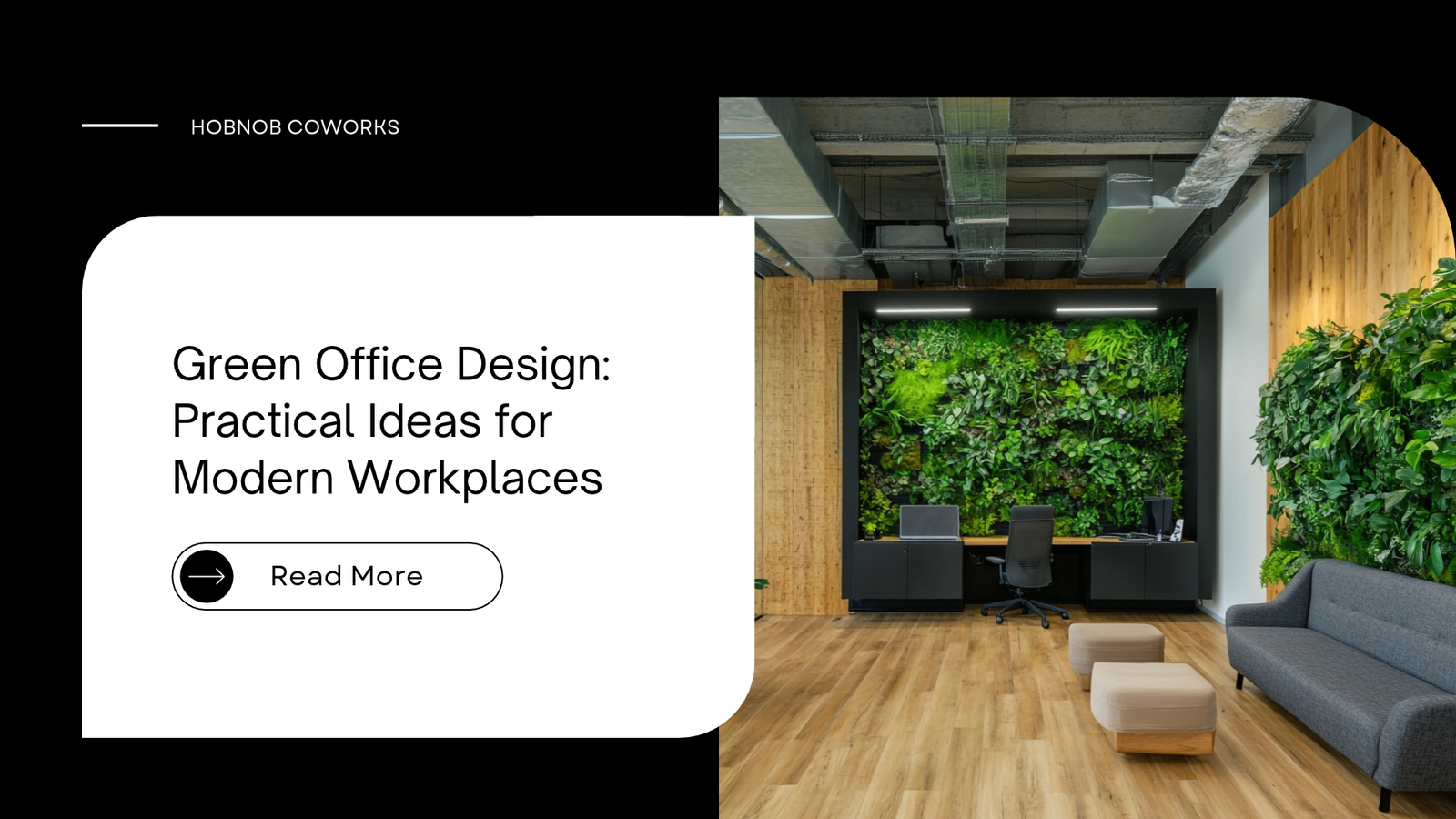
Green office design means planning your workspace to use less energy, water and material, while keeping people healthy and productive. The quickest wins are LED lighting, daylight, smart cooling, better airflow, reused furniture and shared space. Start small, track your bills, and build from there.
Is Your Office Costing You More Than You Think?
Does your electricity bill jump every summer? Do people complain about stuffy rooms and tired eyes by afternoon?
You are not alone. Most offices waste energy quietly. Lights stay on in empty rooms. The AC runs at full blast. Old computers hum all night. Over time, that waste hits your budget, and it hits your team’s mood too.
The good news is that you do not need a huge budget to fix it. A smart green office design can reduce energy costs, clean up the air and make work feel better. Below, I share seven practical ideas, a simple action plan and an honest comparison to help you decide.
Key Takeaways
- Good green office design starts with small, measurable steps.
- LED lights, sensors and smart switches usually pay back quickly.
- Daylight and fresh air improve comfort and focus.
- Durable or second-hand furniture cuts waste.
- Sharing a coworking space is one of the greenest choices for small teams.
What Is Green Office Design?
It is a way of planning, furnishing and running a workplace so it has a lower impact on the environment. You may also hear it called sustainable office design or an eco-friendly office.
It covers lighting, cooling, furniture, materials, waste, indoor air quality and even how much space you really need.
Why does it matter? According to the International Energy Agency, buildings account for roughly 30% of global final energy use. Offices are a visible part of that number. Cutting waste is good for the planet and good for your profit.
How Can You Save Energy and Costs? 7 Green Office Design Ideas
1. Switch to LED and Smart Lighting
LEDs use far less electricity than old bulbs. The US Department of Energy says they use at least 75% less energy and last up to 25 times longer than incandescent lighting. Add motion sensors in meeting rooms and washrooms, so lights switch off when nobody is there.
2. Make the Most of Natural Light
Place desks near windows and keep partitions low or glass so daylight reaches deeper into the room. Less artificial light means lower bills. Many people also feel more alert in daylight. Use blinds to control glare, not to shut the sun out.
3. Set Smarter Cooling Targets
In hot cities like Jaipur, air conditioning is usually the biggest power eater. A thermostat setting of around 24–26°C feels comfortable for most people and saves energy compared with very low settings. Clean filters regularly and seal gaps around doors and windows.
4. Improve Indoor Air Quality (and Add Plants Wisely)
Good ventilation matters more than any decoration. Open windows when outdoor air is clean, and choose low-VOC paints and cleaning products.
Plants are part of biophilic design, and they make a space feel calmer and friendlier. But don’t expect them to purify the air on their own. Treat them as a mood booster, not a filter.
5. Choose Sustainable Office Furniture
Buy fewer, better pieces. Look for durable, repairable furniture made from certified wood or recycled material. Second-hand desks and chairs are often as good as new, and they cost less. For layout ideas, see our guide to workspace design trends for modern offices.
6. Cut Paper, Plastic and E-Waste
- Go digital for approvals, invoices and notes.
- Print double-sided, and only when needed.
- Use smart power strips so devices don’t drain power on standby.
- Replace single-use cups with a few reusable ones.
7. Share Space Instead of Owning More
This idea gets overlooked. One shared cooling system, one set of meeting rooms and one reception can serve many companies at once. A small team that takes a private cabin or a few hot desks avoids heating, cooling and lighting an entire floor for a handful of people. That is green office design at the building level.
How Do You Start a Green Office Design Plan? Step by Step
- Check your bills. Note your electricity and water use for the last 6–12 months.
- Walk the space. Spot lights, AC units and devices left on when no one is around.
- Fix the free things first. Switch-off rules, thermostat limits and double-sided printing cost nothing.
- Upgrade low-cost items. Think LEDs, sensors and power strips.
- Ask your team. They know what feels wasteful or uncomfortable.
- Plan bigger changes. Furniture, layout, glazing, or a move to a shared workspace.
- Review every quarter. Compare bills and adjust.
Is Coworking Greener Than a Traditional Office? A Quick Comparison
| Factor | Traditional Leased Office | Coworking Space |
| Energy use | You power the whole floor, even empty areas | Shared systems spread across many members |
| Furniture | Buy and maintain it yourself | Usually provided, so fewer new purchases |
| Meeting rooms | Built once, often sit idle | Book only when you need them |
| Flexibility | Long lock-in periods | Monthly or short-term options |
| Setup waste | Fit-out, wiring and partitions | Plug-and-play |
| Upfront cost | High | Low |
Terms differ from one provider to another, so always confirm details before you decide. For a deeper cost look, read coworking space vs office rent.
How Does Coworking Support a Greener Workplace?
Hobnob Coworks offers private cabins, hot desks and meeting rooms for freelancers, startups and growing teams across Jaipur, including Mansarovar, Jagatpura and Vaishali Nagar. When many people share one well-managed coworking space, there are fewer duplicate machines, fewer empty rooms being cooled and less fit-out waste.
Here is a simple hypothetical example. A five-person startup that rents a full floor pays to light and cool space it uses for only part of the day. The same team in a private cabin, with a bookable meeting room for client calls, uses only what it needs. For many small businesses, that is the easiest route to green office design without a renovation.
Frequently Asked Questions
What is green office design?
It is the practice of planning and running a workplace to use less energy, water and material, while supporting the comfort and health of the people who work there.
How can I make my office more eco-friendly on a small budget?
Start with switch-off habits, LED bulbs, sensible thermostat limits and digital documents. These steps cost little and show results on your next bill.
Does green office design really save money?
Usually, yes. Savings come from lower electricity use and fewer replacements. The amount depends on your office size, equipment and habits.
What is the best lighting for an energy-efficient office?
LED lighting combined with daylight and motion sensors. This mix cuts power use and keeps the room bright.
Do office plants really clean the air?
Not enough to replace ventilation. They do improve how a space feels, so use them for mood and good looks.
What temperature should an office AC be set to?
Around 24–26°C is comfortable for most people and avoids wasting power on over-cooling.
Is coworking more sustainable than a traditional office?
Often, yes, especially for small teams. Shared cooling, furniture and meeting rooms mean fewer resources are used per person.
How do hot desks reduce environmental impact?
Hot desks let you pay for the seat you actually use. That means fewer unused desks, less equipment and less energy spent on empty space. Not sure it suits you? Read Hot Desk in Jaipur: Is It Right for You?
Where can I find a coworking space in Jaipur?
Hobnob Coworks has centres in Mansarovar, Jagatpura and Vaishali Nagar, with open desks, private cabins and meeting rooms.
Ready to Work Smarter and Greener?
You don’t have to rebuild an office to make a difference. Sometimes the best green office design choice is simply choosing a shared, flexible space that already uses resources well.
Visit Hobnob Coworks to explore private cabins, hot desks and meeting rooms across Jaipur. You can book a day pass or call +91 93514 92360 to schedule a visit. See the space, ask your questions and find the setup that fits your team.
Follow Hobnob Coworking Space on Instagram for updates.
