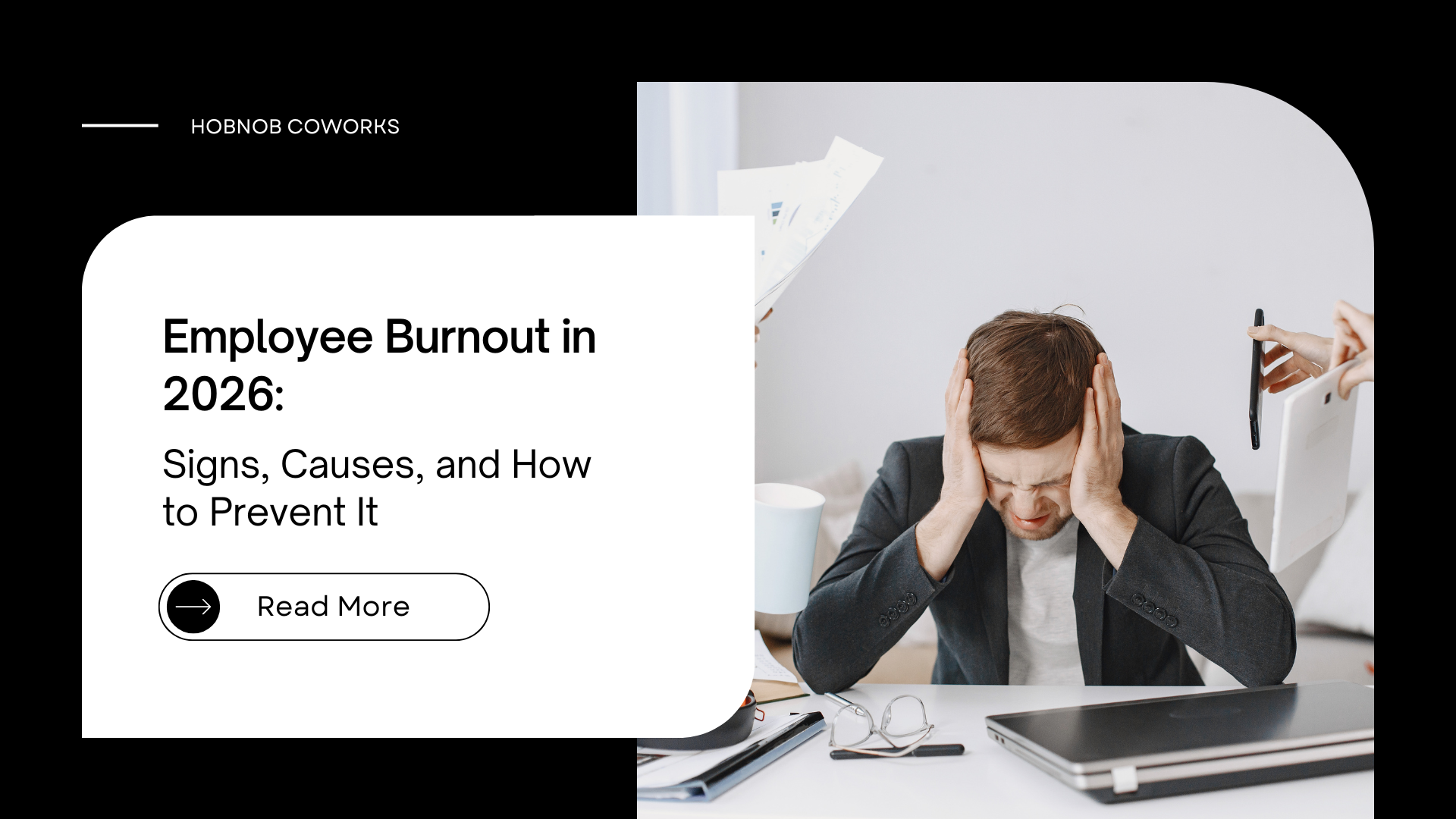
Employee Burnout in 2026: Signs, Causes, and How to Prevent It
Employee Burnout is one of the biggest workplace challenges in 2026. It happens when ongoing work-related stress leaves employees physically tired, mentally exhausted, and emotionally drained. Common signs include low motivation, constant fatigue, difficulty concentrating, and reduced productivity. The good news is that burnout can be prevented through better workload management, healthy work habits, strong leadership, and a supportive work environment.
Why Employee Burnout Matters More Than Ever in 2026
Work has changed significantly over the last few years.
Employees are expected to manage emails, meetings, deadlines, projects, and constant communication throughout the day. While technology has made work faster, it has also made it harder for many people to switch off.
As a result, Employee Burnout is becoming a serious concern for businesses of all sizes.
When employees feel exhausted for weeks or months without enough recovery time, their performance, creativity, and overall well-being start to decline.
For businesses, burnout is not just an HR issue. It affects productivity, employee retention, workplace culture, and even customer satisfaction.
Understanding burnout is the first step toward creating healthier and more productive workplaces.
What Is Employee Burnout?
Employee Burnout is a state of physical, mental, and emotional exhaustion caused by prolonged workplace stress.
It is different from feeling tired after a busy week.
A stressed employee may still feel motivated and optimistic. A burned-out employee often feels disconnected, overwhelmed, and unable to perform at their best.
Many people don’t notice burnout immediately because it develops gradually over time.
Signs of Employee Burnout
Burnout rarely appears overnight. Most employees experience warning signs before the problem becomes serious.
Physical Signs
- Constant tiredness
- Frequent headaches
- Lack of energy
- Poor sleep quality
- Feeling exhausted even after resting
Emotional Signs
- Increased frustration
- Irritability
- Anxiety
- Feeling overwhelmed
- Lack of motivation
Workplace Signs
- Reduced productivity
- Missed deadlines
- Difficulty concentrating
- Increased mistakes
- Lower work quality
Behavioral Signs
- Avoiding responsibilities
- Delaying tasks
- Reduced participation in meetings
- Withdrawing from coworkers
Recognizing these signs early can help prevent long-term problems.
Employee Burnout vs Workplace Stress
Many people use stress and burnout interchangeably, but they are not the same.
| Workplace Stress | Employee Burnout |
| Usually temporary | Long-term condition |
| High pressure | Emotional exhaustion |
| Motivation remains | Motivation decreases |
| Can improve quickly | Takes longer to recover |
| Feeling overwhelmed | Feeling disconnected |
Stress may come and go. Burnout often stays until meaningful changes are made.
What Causes Employee Burnout?
There is rarely one single reason behind burnout.
In most cases, several factors work together.
1. Excessive Workload
When employees consistently have more work than they can realistically manage, stress begins to build.
Over time, this becomes one of the leading causes of Employee Burnout.
2. Poor Work-Life Balance
Many professionals struggle to separate work from personal life.
Checking emails late at night or working on weekends may seem harmless, but it can eventually affect mental well-being.
3. Lack of Recognition
Employees want to feel appreciated.
When effort goes unnoticed for long periods, motivation often declines.
4. Poor Communication
Unclear goals and expectations create confusion and frustration.
Good communication helps employees feel more confident and supported.
5. Constant Digital Distractions
Notifications, messages, calls, and virtual meetings can make employees feel mentally overloaded.
How Employee Burnout Affects Businesses
Some companies underestimate the cost of burnout.
However, the impact can be significant.
Lower Productivity
Burned-out employees often take longer to complete tasks and may struggle to stay focused.
Higher Employee Turnover
Employees experiencing burnout are more likely to leave their jobs.
Replacing employees can be expensive and time-consuming.
Reduced Creativity
Innovation and problem-solving become difficult when employees are mentally exhausted.
More Absenteeism
Burnout can contribute to increased sick leave and unplanned absences.
Poor Team Morale
Burnout often affects entire teams, not just individual employees.
10 Effective Ways to Prevent Employee Burnout
The good news is that burnout is preventable.
Here are practical strategies businesses can implement.
1. Encourage Healthy Work-Life Balance
Employees should be encouraged to disconnect after work hours whenever possible.
2. Set Realistic Deadlines
Unrealistic expectations often create unnecessary pressure.
3. Reduce Unnecessary Meetings
Not every discussion requires a meeting.
Fewer meetings can help employees focus on meaningful work.
4. Recognize Employee Contributions
Simple appreciation can have a powerful impact on motivation.
5. Support Flexible Working
Flexible schedules can help employees manage both personal and professional responsibilities.
6. Promote Regular Breaks
Short breaks throughout the day improve concentration and energy levels.
7. Improve Workplace Communication
Clear communication reduces misunderstandings and workplace stress.
8. Provide Learning Opportunities
Employees are more engaged when they have opportunities to grow professionally.
9. Support Mental Well-Being
Creating a supportive culture encourages employees to seek help when needed.
10. Create Better Work Environments
The workplace itself can influence employee well-being and productivity.
Why Work Environment Plays a Major Role
Many businesses focus only on workload when discussing burnout.
However, the work environment matters just as much.
A productive workspace can help employees:
- Stay focused
- Collaborate effectively
- Reduce distractions
- Improve productivity
- Feel more engaged
This is one reason why many startups, entrepreneurs, freelancers, and remote professionals are moving toward flexible workspaces.
At Hobnob Coworks, professionals have access to modern workspaces designed to support productivity, collaboration, and flexibility. A well-designed work environment can help employees stay motivated while reducing many of the distractions that contribute to workplace stress.
A Simple Process to Reduce Employee Burnout
If your organization is experiencing burnout, start with these steps.
Step 1: Identify the Warning Signs
Pay attention to changes in employee behavior, performance, and engagement.
Step 2: Gather Employee Feedback
Employees often provide valuable insights into workplace challenges.
Step 3: Review Workloads
Look for opportunities to balance responsibilities more effectively.
Step 4: Improve Communication
Ensure employees understand expectations and priorities.
Step 5: Build a Healthy Work Culture
Focus on long-term employee well-being rather than short-term productivity gains.
Frequently Asked Questions
What is employee burnout?
Employee burnout is a state of emotional, mental, and physical exhaustion caused by prolonged workplace stress.
What are the first signs of employee burnout?
Early signs include constant fatigue, low motivation, difficulty concentrating, and increased frustration.
How does employee burnout affect productivity?
Burnout reduces focus, creativity, efficiency, and overall workplace performance.
Can remote employees experience burnout?
Yes. Remote employees often face challenges such as digital overload, isolation, and difficulty maintaining work-life balance.
How can managers prevent employee burnout?
Managers can reduce burnout by improving communication, balancing workloads, recognizing achievements, and supporting employee well-being.
Is employee burnout a serious issue?
Yes. If left unaddressed, burnout can affect employee health, job satisfaction, and business performance.
Does workplace culture affect burnout?
Absolutely. A positive and supportive culture can significantly reduce workplace stress.
Can coworking spaces help reduce burnout?
For many professionals, coworking spaces provide structure, community, and a productive environment that supports healthier work habits.
Final Thoughts
In today’s fast-moving work environment, preventing Employee Burnout should be a priority for every organization.
Employees perform their best when they feel supported, valued, and able to maintain a healthy balance between work and personal life.
Businesses that invest in employee well-being often see higher productivity, better retention, stronger teamwork, and long-term growth.
The goal is not simply to work harder. The goal is to create workplaces where people can do their best work while maintaining their health, motivation, and happiness.
Looking for a workspace that supports productivity and employee well-being? Explore Hobnob Coworks and discover how the right environment can help your team thrive in 2026 and beyond.
Follow Hobnob Coworking Space on Instagram for updates and Also in follow on Facebook.
