A lot of people search for the hybrid mode meaning because they’re confused about what it actually looks like in real life. Is it just working from home a few days? Is it a temporary adjustment? Or is it a long-term workplace model?
The truth is simple — hybrid work is not random flexibility. It’s a structured way of balancing remote freedom with physical collaboration. When done properly, it reduces unnecessary expenses, keeps employees motivated, and still maintains team alignment.
Let’s understand it clearly and practically.
Hybrid Mode Meaning in Simple Words
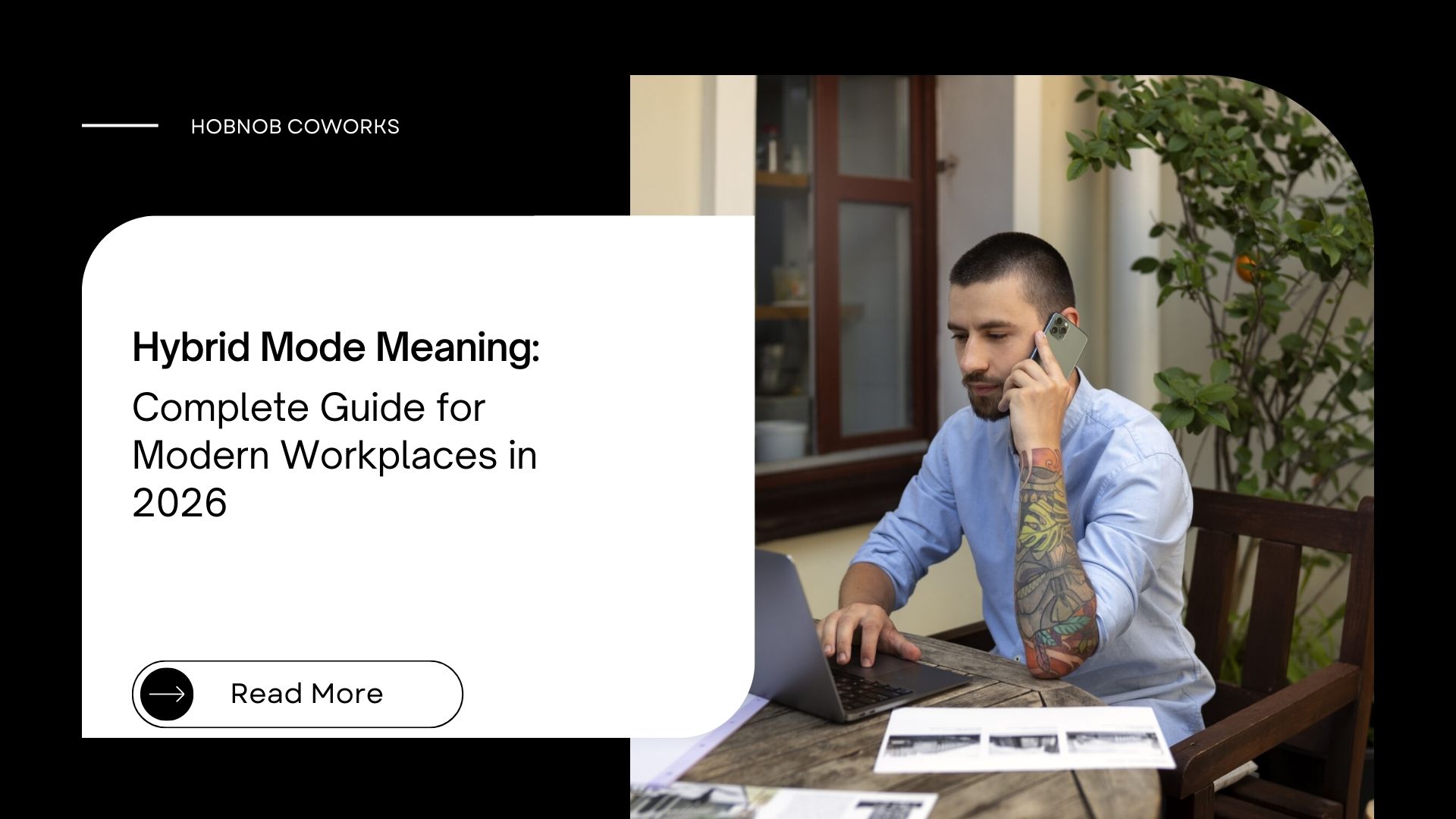
The hybrid mode meaning refers to a work model where employees split their time between remote work and working from a physical office.
It’s not fully remote.
It’s not daily office attendance.
It’s a planned mix of both.
For example, a team may work from office on Monday, Tuesday, and Thursday, while Wednesday and Friday remain remote. Some companies only call teams to office for meetings or strategy discussions.
That balance — not extremes — defines hybrid work.
Why Businesses Didn’t Stick to Full Remote
When companies shifted to remote work, many saw quick benefits. Costs dropped. Employees enjoyed flexibility. Commute stress disappeared.
But slowly, gaps started appearing.
Teams felt disconnected.
Brainstorming lost its energy.
New employees struggled to integrate into company culture.
This is where leaders began redefining their structure. Instead of choosing office or remote, they combined both. That practical shift explains today’s hybrid mode meaning.
A Real Startup Scenario
Imagine a 12-person startup.
Instead of renting a large office space permanently, they:
- Keep 5 core members meeting twice a week
- Allow developers to work remotely
- Book meeting rooms only for client presentations
- Avoid long-term lease pressure
This saves a significant amount every month while keeping collaboration intact.
That’s not theory — that’s how many growing teams operate today.
Hybrid vs Remote vs Traditional Office
Here’s a clear comparison:
| Feature | Hybrid Mode | Remote Work | Traditional Office |
| Office Presence | Partial | None | Full-time |
| Rental Cost | Medium to Low | Very Low | High |
| Flexibility | High | Very High | Low |
| Collaboration | Balanced | Digital Only | Physical |
| Infrastructure Cost | Controlled | Minimal | High |
Understanding this comparison makes the hybrid mode meaning easier to evaluate for business decisions.
Why Startups Find Hybrid More Practical
Early-stage businesses need flexibility more than anything else.
They don’t always know:
- How fast they’ll grow
- How big the team will become
- Whether revenue will stay stable
Locking into a heavy office investment can be risky.
Hybrid gives breathing space. Teams can expand, reduce, or adjust without huge financial pressure. That’s why understanding the hybrid mode meaning becomes a strategic advantage for founders.
Where Coworking Fits Into Hybrid Work
Hybrid teams don’t necessarily need a full-time office. What they often need is:
- Professional meeting space
- Occasional work desks
- Internet and infrastructure without setup hassle
This is why many startups combine hybrid work with flexible coworking options.
For example, Hobnob Coworks allows teams to use space only when required instead of committing to a long-term lease. It supports hybrid teams without forcing heavy investments.
That’s where the hybrid model becomes operationally practical.
Benefits That Make Hybrid Sustainable
- Cost control – Smaller office requirement means lower rent.
- Employee balance – People manage personal and professional life better.
- Hiring flexibility – You can recruit talent outside your city.
- Focused productivity – Quiet tasks at home, collaborative work in office.
The hybrid mode meaning becomes powerful because it blends structure with flexibility rather than choosing one extreme.
But Hybrid Isn’t Automatic Success
Many companies assume hybrid will work smoothly without planning. That’s a mistake.
Common issues include:
- Confusion about office days
- Unequal communication between remote and in-office staff
- Coordination gaps
- Cultural disconnect
Without clarity, hybrid can create more chaos than efficiency.
That’s why policy matters.
How to Implement Hybrid Properly
If you’re considering this model, keep it simple:
- Decide fixed collaboration days.
- Define expectations clearly.
- Measure performance based on output, not physical presence.
- Keep infrastructure flexible instead of oversized.
Some teams maintain a smaller physical space and supplement it with flexible coworking access when needed. That’s often more practical than maintaining a half-empty large office.
Hybrid Work in the Indian Context
In India, commercial property prices continue to rise in business hubs. For startups especially, locking funds into deposits and interiors reduces available capital for growth.
Hybrid allows companies to:
- Reduce fixed overhead
- Stay agile
- Scale without relocation stress
The hybrid mode meaning in India is strongly linked with cost optimization and smart scaling.
Is Hybrid the Long-Term Future?
Most companies are no longer debating whether hybrid works. The real question now is how to implement it effectively.
It supports:
- Digital collaboration
- Flexible hiring
- Operational efficiency
- Sustainable growth
Rather than being a temporary phase, hybrid has become a structured workplace strategy.
Frequently Asked Questions
1. What is hybrid mode meaning in corporate terms?
It refers to a work model combining remote work and office presence.
2. Is hybrid mode better than full office?
It depends on company goals, but many startups prefer it due to flexibility and cost efficiency.
3. Does hybrid mode reduce office costs?
Yes, companies can reduce rental and operational expenses.
4. Can small businesses adopt hybrid mode?
Absolutely. Hybrid structures are especially useful for startups and growing teams.
Final Thoughts
Work culture has changed permanently. Productivity is no longer about sitting in one place for fixed hours.
The hybrid mode meaning represents balance — structure without rigidity, flexibility without chaos.
For startups and growing teams, it offers a way to stay professional while controlling expenses. And when combined with flexible workspace solutions like Hobnob Coworks, it becomes even easier to manage.
Hybrid work is not about avoiding the office. It’s about using it intelligently.
Follow Hobnob Coworking Space on Instagram for updates and Also in follow on Facebook.
